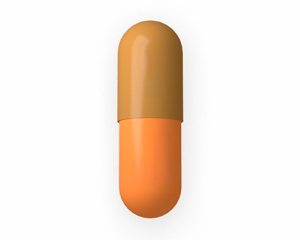
Alfacip is used to treat osteoporosis and conditions with impairments of calcium metabolism such as bone loss due to age.
Home » Products » General health »

Alfacip is used to treat osteoporosis and conditions with impairments of calcium metabolism such as bone loss due to age.
Common Use
Alfacip is a synthetic analogue of vitamin D—in plain terms, it’s a man-made form of activated vitamin D that the body can use straight away. Normally, the body needs to convert vitamin D from food or sunlight into its active form through a process that involves the liver and kidneys. Alfacip bypasses this conversion, making it especially helpful for people whose kidneys or liver are not working as well as they should.
Alfacip is used to treat conditions where calcium metabolism is disrupted due to problems with this activation process. These conditions include:
Renal osteodystrophy – bone disease that develops in people with chronic kidney disease, where the bones become weak and brittle due to imbalances in calcium and phosphorus
Hyperparathyroidism – a condition where the parathyroid glands produce too much parathyroid hormone, which can pull calcium out of the bones and cause them to weaken
Hypoparathyroidism – a condition where the parathyroid glands do not produce enough parathyroid hormone, leading to low calcium levels in the blood
Neonatal hypocalcaemia – low calcium levels in newborn babies, which can cause muscle twitching or irritability
Nutritional rickets and osteomalacia – softening and weakening of the bones in children (rickets) and adults (osteomalacia) caused by not getting enough vitamin D
Malabsorptive rickets and osteomalacia – bone problems caused by the body’s inability to absorb vitamin D properly due to digestive conditions such as coeliac disease or Crohn’s disease
Pseudo-deficiency (D-dependent) rickets and osteomalacia – a genetic disorder where the body cannot properly use vitamin D, leading to bone pain and deformities
Hypophosphataemic vitamin D resistant rickets and osteomalacia – a condition where the kidneys lose too much phosphate, causing weak bones that do not respond to standard vitamin D treatment
Osteoporosis – a condition where bones become thin, weak, and more likely to fracture, often associated with ageing or hormonal changes
Dosage and Direction
The usual daily dose of Alfacip for adults is 1 microgram (mcg) per day. However, the dose may need to be reduced for:
Elderly patients
Newborns and premature infants
Children who weigh less than 20 kg (about 44 pounds)
Your doctor will determine the right dose for you based on your specific condition, age, and weight. Always follow their instructions closely.
Precautions
If you are being treated with Alfacip, regular monitoring is essential. Your doctor will likely arrange regular blood tests to check:
Plasma calcium levels – to make sure calcium does not get too high (hypercalcaemia), which can be harmful
Parathyroid hormone levels
Alkaline phosphatase – an enzyme that gives clues about bone activity
Radiographic and histological investigations – X-rays and possibly bone tissue studies
These tests are especially important for patients with chronic renal failure (long-term kidney disease). If blood calcium levels stay too high for too long, it can actually make kidney function worse. So keeping a close eye on these numbers helps your doctor adjust your dose safely.
Contraindications
Alfacip should not be used in patients with:
Hypercalcaemia (high calcium levels in the blood)
Metastatic calcification – where calcium deposits form in tissues outside the bones, such as in the kidneys or blood vessels
Hyperphosphataemia – high phosphate levels in the blood (unless it occurs together with hypoparathyroidism, where it may be managed differently)
Hypermagnesaemia – high magnesium levels in the blood
Vitamin D toxicity – having taken too much vitamin D already
Hypersensitivity – allergy to vitamin D or its analogues
Possible Side Effects
The following side effects may occur, particularly if calcium levels become too high:
Hypercalcaemia (elevated blood calcium) – this is the most important one to watch for
Malaise – a general feeling of being unwell
Tiredness and weakness
Nausea and vomiting
Headache and dizziness
Constipation or diarrhoea
Dry mouth
Abdominal or gastrointestinal pain (such as heartburn)
Heart palpitations – feeling like your heart is racing or skipping a beat
Bone, muscle, and joint pain
If you experience any of these symptoms, especially if they are persistent or bothersome, let your doctor know. They may need to adjust your dose.
Drug Interactions
Long-term treatment with anticonvulsants (medications for seizures), including phenytoin, can interfere with vitamin D and calcium metabolism. This can lead to:
Metabolic bone disease
Hypocalcaemia (low calcium levels)
In some cases, even seizures
If you are taking antiepileptic drugs (medications for epilepsy or seizures), your doctor will need to monitor your calcium levels regularly to keep them in a safe range.
Missed Dose
If you forget to take your dose, take it as soon as you remember. However, if it is nearly time for your next dose, skip the missed one—do not double up. To help avoid missing doses, try to take your medication at about the same time each day.
Overdose
Signs of an Alfacip overdose may include:
High fever
High blood pressure
Irregular heartbeat
Severe stomach pain
If you suspect an overdose, seek medical attention immediately.
Storage
Store Alfacip at room temperature between 15–25°C (59–77°F), away from light and moisture. Keep it out of reach of children and pets. Do not use the medication after the expiration date printed on the packaging.
Disclaimer
We provide only general information about medications, which does not cover all directions, possible drug interactions, or precautions. Information on this site cannot be used for self-treatment or self-diagnosis. Any specific instructions for a particular patient should be agreed upon with your healthcare adviser or the doctor in charge of your case. We disclaim reliability of this information and any mistakes it may contain. We are not responsible for any direct, indirect, special, or other indirect damage as a result of any use of the information on this site, nor for the consequences of self-treatment.
About Our Service Cydoctors.com is an online pharmacy based right here in Cyprus. We know that managing bone health and calcium metabolism is a long-term commitment—so we’ve made our service straightforward, reliable, and built with your convenience in mind. Because we’re local to the island, we can arrange delivery in the shortest possible time. For our customers in Nicosia, Limassol, and Larnaca, we’re pleased to offer overnight delivery, so your Alfacip can be with you by the next day, helping you keep your bones strong and your treatment on track.