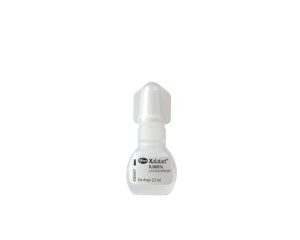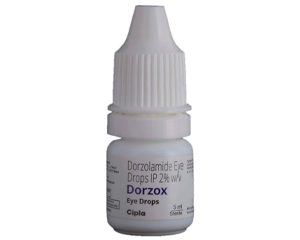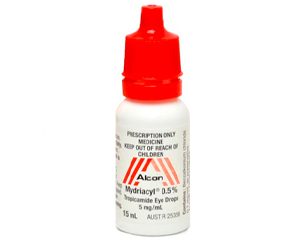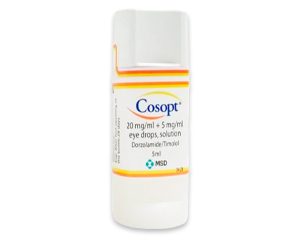
Acetazolamide is a carbonic anhydrase inhibitor used to treat glaucoma, altitude sickness, and certain types of edema or seizures. It works by reducing fluid production and altering electrolyte balance in the body. The drug is generally effective but requires close monitoring of kidney function and blood electrolytes. Common side effects include tingling sensations and increased urination.
Acetazolamide
Common use
Acetazolamide is a medication that does a few different jobs, depending on what it’s being used for. It works by reducing the activity of an enzyme called carbonic anhydrase — think of it as turning down a tap that controls fluid balance in your body. It’s used to treat:
Glaucoma — a condition where pressure builds up inside the eye. In Cyprus, where we have plenty of bright sun, eye health matters, and Acetazolamide helps by lowering that pressure (what doctors call intraocular pressure).
Certain types of seizures — helping to calm abnormal electrical activity in the brain.
Altitude sickness — for those who travel to the mountains or go hiking in the Troodos range, it helps reduce symptoms like headache, fatigue, and nausea when you go up high.
Edema — swelling caused by fluid retention, often from heart failure or certain medications.
Dosage and direction
You take Acetazolamide one to four times a day, depending on what you’re treating. You can take it with or without food, but if your stomach gets upset, having it with a meal — maybe a nice pita or some halloumi — can help settle things.
The dose needs to be adjusted carefully based on your kidney function and how you respond. Follow your doctor’s instructions to the letter — don’t change the dose on your own.
Precautions
Before you start, let your doctor know if you have kidney disease, liver problems, diabetes, or a history of electrolyte imbalance (that’s when your body’s minerals — like potassium and sodium — get out of whack).
This medication can make you feel dizzy, especially if you stand up too fast. Take it easy — get up slowly from sitting or lying down, the way your yiayia always told you.
Your doctor will probably want to do regular blood tests to keep an eye on your electrolytes and kidney function. It’s a bit of a nuisance, but it’s worth it to stay safe.
Use with caution in the elderly — and during pregnancy, only if absolutely necessary.
Contraindications
Do not take Acetazolamide if you have:
Marked kidney or liver dysfunction
Addison’s disease — a condition where your adrenal glands don’t make enough hormones
An allergy to sulfonamides (a family of antibiotics and other drugs)
Hyperchloremic acidosis — a condition where your blood is too acidic
Severe electrolyte imbalances
If you’re pregnant, especially in the first trimester, it’s only used if clearly needed. Always have a chat with your doctor first.
Possible side effects
Common side effects include:
Tingling in your hands or feet — like pins and needles
Loss of appetite
Nausea, vomiting
Frequent urination (you might find yourself making more trips to the toilet)
Drowsiness or changes in how things taste
Rarer but serious effects include blood disorders, severe allergic reactions, and metabolic acidosis (when your blood becomes too acidic). If you feel unusually tired, notice a fast or irregular heartbeat, or have signs of infection (like fever or sore throat), get medical help.
Drug interaction
Acetazolamide can interact with other diuretics (water pills), anticonvulsants (seizure medications), aspirin, lithium, and methenamine. These interactions can raise your risk of electrolyte imbalance or kidney problems.
Tell your doctor about all the medications and supplements you’re taking — even the herbal bits you might pick up at the laiki market. Avoid combining it with other drugs that affect your body’s acid-base balance unless your doctor is keeping a close eye on things.
Missed dose
If you miss a dose, take it as soon as you remember — unless it’s almost time for your next dose. In that case, skip the missed one and carry on with your regular schedule. Never take two doses at once to catch up.
Sticking to a consistent schedule is important, especially if you’re taking it for glaucoma or seizure control.
Overdose
If you’ve taken too much, symptoms might include confusion, drowsiness, rapid breathing, or severe electrolyte imbalance. If you suspect an overdose, seek emergency medical attention straight away. There’s no specific antidote — treatment involves supportive care and balancing your fluids and electrolytes.
Storage
Store Acetazolamide tablets at room temperature, away from moisture, heat, and direct sunlight. Keep them in a tightly closed container. Don’t use them after the expiration date — and keep them well out of reach of children and pets.
Online Pharmacy Info
Our online pharmacy, cydoctors.com, is based right here in Cyprus. Whether you’re managing glaucoma, preparing for a Troodos hike, or dealing with fluid retention, we know you don’t want to be left waiting. That’s why we deliver in the shortest time possible. We offer overnight delivery to Nicosia, Limassol, and Paphos — so wherever you are on the island, you can get your medication quickly and without fuss.
Disclaimer
We provide only general information about medications. This does not cover all directions, possible drug interactions, or precautions. Information on the site cannot be used for self-treatment or self-diagnosis. Any specific instructions for a particular patient should be agreed with your healthcare adviser or the doctor in charge of your case. We do not guarantee the reliability of this information and cannot be held responsible for any errors it may contain. We are not liable for any direct, indirect, or other damage resulting from the use of information on this site, nor for the consequences of self-treatment.
Dosage250mg
Package30 pill, 60 pill, 90 pill, 120 pill, 180 pill, 360 pill