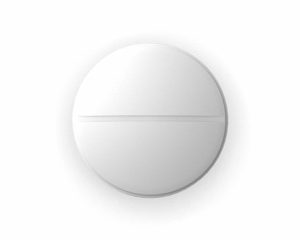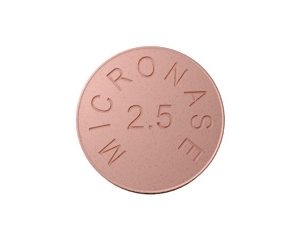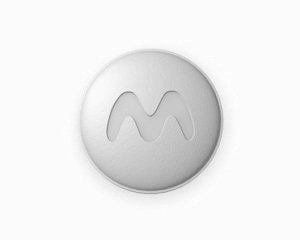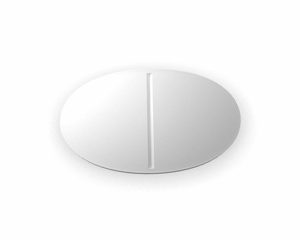
Amaryl is an oral blood sugar-lowering drug which belongs to the class of sulfonylureas.
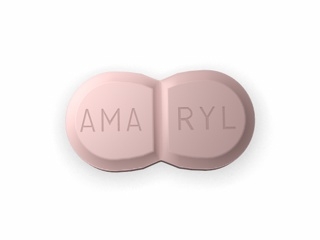
Amaryl (Glimepiride)
Common Use
Amaryl is an oral medication used to lower blood sugar levels. It belongs to a class of drugs called sulfonylureas—in simple terms, these are medications that help the pancreas release more insulin. The active ingredient is glimepiride.
Amaryl is used to treat type 2 diabetes mellitus (also known as non-insulin-dependent diabetes). In type 2 diabetes, the body either does not produce enough insulin or does not use insulin effectively. Amaryl works by stimulating the beta cells in the pancreas to secrete more insulin, which helps move sugar (glucose) from the blood into the cells where it is used for energy.
Amaryl is used alongside diet and exercise to manage blood sugar levels. It can be used:
As monotherapy (on its own), or
In combination with other diabetes medications such as metformin or insulin, depending on what your doctor determines is best for your condition.
Dosage and Direction
The best dose of Amaryl is determined by your doctor based on regular measurements of your blood sugar levels. Your doctor will start you on a low dose and gradually adjust it to find the dose that controls your blood sugar effectively without causing your levels to drop too low.
Always take Amaryl exactly as prescribed—it is one part of a larger treatment plan that includes diet, physical activity, and regular blood sugar monitoring.
Precautions
Be careful that your blood sugar does not fall too low (a condition called hypoglycemia). This can happen due to:
Stress
Skipping a meal
Exercising more than usual
Drinking alcohol
Know the signs of low blood sugar: sweating, trembling, weakness, hunger, dizziness, confusion, or a fast heartbeat. Always keep a source of fast-acting sugar handy—such as glucose tablets, fruit juice, or a sugary snack—in case your blood sugar drops.
If your blood sugar is too high (hyperglycemia), you may feel very thirsty, very hungry, or need to urinate more often than usual.
Before taking Amaryl, tell your doctor if you are pregnant or planning to become pregnant, or if you have adrenal or pituitary gland problems (glands that produce important hormones), as these conditions can affect how your body handles blood sugar.
Contraindications
Amaryl should not be used in the following situations:
Diabetic ketoacidosis – a serious condition where the body produces high levels of acids called ketones, often due to very high blood sugar
Diabetic coma or precoma
Type 1 diabetes (insulin-dependent diabetes)
Severe kidney dysfunction (renal impairment)
Severe liver impairment (hepatic impairment)
Individual hypersensitivity (allergy) to glimepiride, other sulfonylureas, or sulfonamide antibiotics
Possible Side Effects
If you have any signs of a serious allergic reaction to this medication—such as hives, swelling of the face or throat, rash, or other major symptoms—seek immediate medical help. Other serious symptoms to watch for include:
Severe skin rash, itching, or redness
Pale skin, easy bruising, or unusual bleeding
Numbness or tingling
Dark urine or clay-coloured stools
Abdominal pain, fever, or nausea
Common side effects may include mild low blood sugar (hypoglycemia), dizziness, headache, or mild stomach upset.
Drug Interactions
Several medications can affect blood sugar levels and may interact with Amaryl:
Medications that may increase blood sugar and reduce the effectiveness of Amaryl:
Diuretics (water pills) such as hydrochlorothiazide or furosemide (Lasix)
Corticosteroids such as prednisone or methylprednisolone
Phenytoin (Dilantin) – used for seizures
Niacin (vitamin B3)
Sympathomimetics such as pseudoephedrine (Sudafed)
Medications that may affect blood levels and activity of Amaryl:
Beta-blockers such as propranolol (Inderal) or atenolol (Tenormin) – these can also mask the signs of low blood sugar, making it harder to recognise
Always inform your doctor about all medications you are taking, including prescription drugs, over-the-counter products, and herbal supplements.
Missed Dose
If you miss a dose, take it as soon as you remember—unless it is almost time for your next dose. If that’s the case, simply skip the missed one and return to your regular schedule. Do not take a double dose to make up for a missed one.
Overdose
If you have taken too much Amaryl, seek immediate medical attention. Overdose can cause severe hypoglycemia (low blood sugar). Possible symptoms include:
Extreme weakness
Confusion
Blurred vision
Stomach pain
Trouble speaking
Tremors (shaking)
Sweating
Seizure
Coma
Storage
Store Amaryl at room temperature in a tightly closed container. Keep it away from sunlight, moisture, heat, and out of reach of children and pets.
Disclaimer
We provide only general information about medications, which does not cover all directions, possible drug interactions, or precautions. Information on this site cannot be used for self-treatment or self-diagnosis. Any specific instructions for a particular patient should be agreed upon with your healthcare adviser or the doctor in charge of your case. We disclaim reliability of this information and any mistakes it may contain. We are not responsible for any direct, indirect, special, or other indirect damage as a result of any use of the information on this site, nor for the consequences of self-treatment.
About Our Service Cydoctors.com is an online pharmacy based right here in Cyprus. We know that managing type 2 diabetes is a daily commitment—keeping your blood sugar levels steady, sticking to your diet, and making sure you never run out of your medication. That’s why we’ve made our service straightforward, reliable, and built with your convenience in mind. Because we’re local to the island, we can arrange delivery in the shortest possible time. For our customers in Nicosia, Limassol, and Paphos, we’re pleased to offer overnight delivery, so your Amaryl can be with you by the next day, helping you stay on top of your diabetes management without any unnecessary stress.
Dosage1mg, 2mg, 4mg
Package10 pill, 30 pill, 60 pill, 90 pill, 120 pill, 180 pill, 240 pill, 360 pill