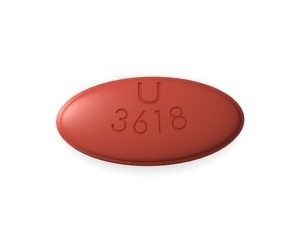
Azithromycin is a widely used antibiotic for treating various bacterial infections like bronchitis, skin infections, and STDs. It works by stopping bacteria from growing and is typically taken once daily.
Home » Products » Antibiotics »

Azithromycin is a widely used antibiotic for treating various bacterial infections like bronchitis, skin infections, and STDs. It works by stopping bacteria from growing and is typically taken once daily.
Common Use
Azithromycin belongs to a class of antibiotics called macrolides—in simple terms, it works by stopping the growth of bacteria. It does this by interfering with the bacteria’s ability to produce proteins, which are essential for their survival and multiplication.
Azithromycin is used to treat a variety of bacterial infections, including:
Respiratory tract infections – such as bronchitis (inflammation of the airways), pneumonia (lung infection), and sinusitis (sinus infection)
Skin and soft tissue infections – such as cellulitis, impetigo, and infected wounds
Ear infections – such as otitis media (middle ear infection), particularly in children
Sexually transmitted diseases – such as chlamydia and other genital infections
Streptococcal throat infections (strep throat) – as an alternative for patients allergic to penicillin
Pharyngitis and tonsillitis – inflammation of the throat and tonsils
Whooping cough (pertussis) – in some cases, for prevention and treatment
Azithromycin is often prescribed as a short course of treatment—sometimes as a single large dose or as a 3 to 5 day course, which makes it convenient for patients who may have difficulty with longer courses of antibiotics.
Important: Azithromycin works only against bacterial infections. It does not work against viral infections such as the common cold or flu.
Dosage and Direction
Azithromycin is typically taken once daily by mouth, with or without food—whatever suits you best. However, taking it with food may help reduce stomach upset for some people.
The tablets should be swallowed whole with a glass of water. Do not crush, chew, or break them
The liquid suspension (if prescribed) should be measured carefully with a dosing spoon or oral syringe
The dosage and length of treatment depend on the type and severity of the infection. Your doctor will determine the right dose for you
It is essential to complete the full course of treatment, even if you start feeling better after a few days. Stopping early can allow some bacteria to survive, which may lead to the infection returning or becoming resistant to the antibiotic.
Precautions
Before using azithromycin, inform your doctor if you have:
Liver disease – azithromycin is processed by the liver
Kidney problems – especially severe kidney impairment
Myasthenia gravis – a condition causing muscle weakness; azithromycin can worsen symptoms
Heart rhythm disorders – such as QT prolongation (a condition that affects the heart’s electrical activity)
Electrolyte imbalances – such as low potassium or magnesium levels
Important:
Prolonged use or repeated courses may lead to secondary infections, including fungal overgrowth (such as oral thrush or vaginal yeast infection)
If you are taking other medications that affect heart rhythm, use azithromycin with caution, as it can increase the risk of serious heart rhythm problems
Tell your doctor if symptoms persist or worsen after a few days of treatment
Contraindications
Azithromycin should not be used in the following situations:
Known hypersensitivity (allergy) to azithromycin, erythromycin, or other macrolide antibiotics
History of cholestatic jaundice (yellowing of the skin or eyes due to bile flow problems) or hepatic dysfunction associated with prior azithromycin use
QT prolongation or uncorrected electrolyte imbalances – use with caution or avoid
Always follow your doctor’s advice before starting treatment.
Possible Side Effects
Common side effects may include:
Diarrhea
Nausea
Abdominal pain
Vomiting
Headache
Dizziness
Skin rash
Rare but serious side effects (seek medical attention immediately) may include:
Liver dysfunction – signs include jaundice (yellowing of the skin or eyes), dark urine, severe fatigue, or abdominal pain
Severe allergic reaction – rash, hives, swelling of the face, lips, or throat, difficulty breathing
Changes in heart rhythm – such as chest palpitations, fast or irregular heartbeat, fainting
If you experience any serious side effects, seek medical attention immediately.
Drug Interactions
Azithromycin may interact with several medications. Always provide your healthcare provider with a complete list of your current medications, including over-the-counter products and herbal supplements.
Important interactions:
Antacids containing aluminum or magnesium – should be taken at least 2 hours before or after azithromycin, as they can reduce its absorption
Blood thinners such as warfarin – azithromycin may increase the risk of bleeding; your INR should be monitored
Drugs that affect heart rhythm – such as certain antiarrhythmics, antipsychotics, and antidepressants—taking them with azithromycin may increase the risk of QT prolongation and serious arrhythmias
Other medications – such as cyclosporine, digoxin, colchicine, and certain HIV medications may require monitoring of drug levels
Missed Dose
If you miss a dose, take it as soon as you remember—unless it is almost time for your next dose. If that’s the case, skip the missed dose and continue with your regular schedule. Do not double the dose to make up for a missed one.
Try to take the medication at the same time every day for best results. Skipping doses may reduce effectiveness and promote antibiotic resistance.
Overdose
Overdose symptoms may include:
Nausea and vomiting
Diarrhea
Temporary hearing loss
Severe dizziness
If you suspect an overdose, seek emergency medical help immediately. Do not exceed the prescribed dose under any circumstances.
Storage
Store azithromycin tablets at room temperature away from moisture and direct heat
Keep the liquid suspension at room temperature and use within 10 days of reconstitution (or as directed by your pharmacist)
Keep it in its original container, out of reach of children and pets
Do not use expired medication
Consult your pharmacist for proper disposal of unused tablets or liquid
Disclaimer
We provide only general information about medications, which does not cover all directions, possible drug interactions, or precautions. Information on this site cannot be used for self-treatment or self-diagnosis. Any specific instructions for a particular patient should be agreed upon with your healthcare adviser or the doctor in charge of your case. We disclaim reliability of this information and any mistakes it may contain. We are not responsible for any direct, indirect, special, or other indirect damage as a result of any use of the information on this site, nor for the consequences of self-treatment.
About Our Service Cydoctors.com is an online pharmacy based right here in Cyprus. We know that when a bacterial infection strikes, getting your antibiotic quickly and reliably is essential—so we’ve made our service straightforward, dependable, and built with your convenience in mind. Because we’re local to the island, we can arrange delivery in the shortest possible time. For our customers in Nicosia, Limassol, and Larnaca, we’re pleased to offer overnight delivery, so your azithromycin can be with you by the next day, ready to help you fight off that infection and get back to feeling like yourself again.