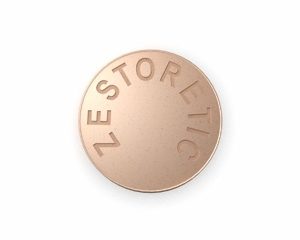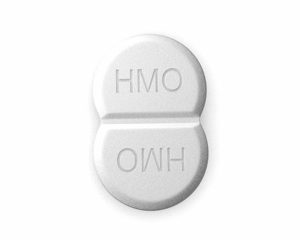
Atenolol is a beta blocker prescribed to treat high blood pressure, reduction of the heart rate, treatment of angina.
Home » Products » Blood Pressure »
Atenolol is a beta blocker prescribed to treat high blood pressure, reduction of the heart rate, treatment of angina.
Common Use
Atenolol belongs to a class of medications called beta-adrenergic blocking agents—in simple terms, beta-blockers. It works by blocking the effects of adrenaline (also known as epinephrine) and other stress hormones on the nerves of the sympathetic nervous system (the part of the nervous system that controls the “fight or flight” response). By blocking these effects, atenolol:
Reduces heart rate – makes the heart beat more slowly and with less force
Lowers blood pressure – reduces the pressure in the arteries
Decreases the workload on the heart – allows the heart to pump more efficiently
Atenolol is used to treat a variety of cardiovascular conditions:
Arterial hypertension (high blood pressure) – helps lower blood pressure and reduce the risk of stroke, heart attack, and kidney problems
Angina (chest pain) – reduces the frequency and severity of chest pain episodes
Acute myocardial infarction (heart attack) – used to reduce mortality and prevent further heart attacks
Tachycardia – abnormally rapid heart rhythms, including various types such as supraventricular tachycardia and sinus tachycardia
Ventricular fibrillation – a dangerous heart rhythm disorder where the lower chambers of the heart quiver instead of pumping effectively
Other arrhythmias (irregular heartbeats) as determined by a doctor
Dosage and Direction
Take atenolol with a glass of water, usually once daily at the same time each day. You may take it before meals or at bedtime—whatever works best for you.
Your dose depends on your condition and should be determined by your doctor. Take the medication exactly as prescribed. Do not change the dose and do not stop suddenly, even if you feel better. Hypertension and heart disease often have no obvious symptoms, but stopping the medication suddenly can cause a dangerous rise in blood pressure or heart rate (rebound effect).
Important:
Avoid drinking alcohol while taking atenolol, as alcohol can increase dizziness and low blood pressure
If you are planning to have surgery (including dental surgery), let your surgeon or dentist know that you are taking atenolol, as it may affect anesthesia and your heart rate during the procedure
Precautions
Do not take atenolol if it was not prescribed for you
Continue to take the medication even if you feel fine—hypertension and heart disease are often lifelong conditions that require ongoing management
Do not stop taking the medication suddenly, as this may worsen your condition
Inform your surgeon or dentist if you are taking atenolol and need to have any procedure
Contraindications
Atenolol should not be used in the following situations:
Hypersensitivity (allergy) to atenolol or any of its components
Sick sinus syndrome – a problem with the heart’s natural pacemaker
Sinus bradycardia – a resting heart rate slower than 50 beats per minute
Atrioventricular (AV) block – second-degree or third-degree heart block (problems with electrical conduction between the upper and lower chambers of the heart)
Arterial hypotension – very low blood pressure
Acute or chronic heart failure – unless stabilized and under careful medical supervision
Peripheral blood flow disorders – such as Raynaud’s phenomenon or advanced peripheral artery disease
Breastfeeding – atenolol passes into breast milk and may affect the baby
Caution is needed in patients with:
Diabetes – atenolol can mask the warning signs of low blood sugar (such as rapid heartbeat)
Hypopotassemia (low potassium levels)
Pulmonary emphysema or asthma – beta-blockers can cause narrowing of the airways
Liver disease or kidney disease
Pregnancy – use only if clearly needed and prescribed by a doctor
Possible Side Effects
Side effects with atenolol are generally rare and transient (temporary). They may include:
Weakness
Fatigue (tiredness)
Dizziness
Headache
Depression
Vivid dreams or nightmares
Insomnia (trouble sleeping)
Memory loss
Abdominal cramps
Diarrhea or constipation
Nausea
Fever
Impotence (erectile dysfunction)
Lightheadedness (especially when standing up)
Slow heart rate (bradycardia)
Low blood pressure (hypotension)
Numbness, tingling, or cold extremities (hands and feet)
Sore throat
Allergic reactions (rash, itching)
If side effects become bothersome or persistent, contact your doctor.
Drug Interactions
Atenolol can interact with other medications and may worsen certain conditions:
Asthma, chronic bronchitis, or emphysema – atenolol can cause narrowing of the airways (bronchospasm) and worsen breathing in patients with these conditions
Existing slow heart rates and heart blocks – atenolol can slow heart rates considerably and may worsen heart block
Heart failure – atenolol reduces the force of heart muscle contraction and may worsen symptoms in patients with existing heart failure
Medications that may weaken the blood-pressure-lowering effect of atenolol:
Non-steroidal anti-inflammatory drugs (NSAIDs) – such as ibuprofen, naproxen
Estrogens (hormone replacement therapy, some contraceptives)
Sympathomimetics – medications that stimulate the sympathetic nervous system (such as decongestants containing pseudoephedrine)
Xanthines – such as theophylline (used for asthma)
Always inform your doctor about all medications you are taking, including over-the-counter products and herbal supplements.
Missed Dose
Never take a double dose of this medication. If you miss a dose and it is almost time for your next dose, skip the missed dose and continue with your regular schedule. Do not take extra to make up for a missed dose.
Overdose
Symptoms of atenolol overdose may include:
Uneven heartbeats (arrhythmia)
Shortness of breath
Dizziness
Weakness
Fainting
Bluish-colored fingernails (cyanosis, indicating poor circulation)
Convulsions (seizures)
If you experience any of these symptoms or suspect an overdose, call your doctor immediately or seek emergency medical attention.
Storage
Store atenolol tablets at room temperature between 20–25°C (68–77°F), away from light and moisture. Keep out of reach of children.
Disclaimer
We provide only general information about medications, which does not cover all directions, possible drug interactions, or precautions. Information on this site cannot be used for self-treatment or self-diagnosis. Any specific instructions for a particular patient should be agreed upon with your healthcare adviser or the doctor in charge of your case. We disclaim reliability of this information and any mistakes it may contain. We are not responsible for any direct, indirect, special, or other indirect damage as a result of any use of the information on this site, nor for the consequences of self-treatment.
About Our Service Cydoctors.com is an online pharmacy based right here in Cyprus. We know that managing high blood pressure, angina, or heart rhythm conditions requires consistent, reliable access to your medication—so we’ve made our service straightforward, dependable, and built with your convenience in mind. Because we’re local to the island, we can arrange delivery in the shortest possible time. For our customers in Nicosia, Limassol, and Larnaca, we’re pleased to offer overnight delivery, so your atenolol can be with you by the next day, helping you keep your heart rate steady and your blood pressure under control without any fuss.