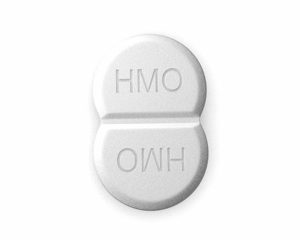
Amlodipine is a calcium channel blocker prescribed to treat hypertension, ischemic heart disease, angina.
Home » Products » Blood Pressure »

Amlodipine is a calcium channel blocker prescribed to treat hypertension, ischemic heart disease, angina.
Common Use
Amlodipine belongs to a class of medications called calcium channel blockers—in simple terms, these drugs work by relaxing the blood vessels, making it easier for the heart to pump blood. It selectively blocks what are known as L-type calcium channels, which are found in the walls of blood vessels (vascular smooth muscle) and in the heart muscle (myocardium), particularly in the cells that control heart rate and contraction.
By blocking the movement of calcium ions across cell membranes, amlodipine:
Decreases the tone of blood vessels (causes them to relax and widen)
Lowers blood pressure
Reduces the workload on the heart
Amlodipine is used to treat several cardiovascular conditions:
Hypertension (high blood pressure) – by lowering blood pressure, it reduces the risk of stroke, heart attack, and kidney problems
Ischemic heart disease – a condition where the blood supply to the heart is reduced, often due to narrowed coronary arteries
Angina (chest pain) – both chronic stable angina (chest pain that occurs with exertion) and vasospastic angina (Prinzmetal’s angina, where coronary arteries suddenly spasm)
Dosage and Direction
Take amlodipine only if it has been prescribed for you, and follow all directions from your doctor carefully. It can be taken with or without food, whichever suits you best—just be consistent.
Because amlodipine is metabolized (processed) in the liver, it should be taken with caution if you have liver failure or other liver conditions. Your doctor may start you on a lower dose in such cases.
Precautions
Avoid drinking alcohol while taking amlodipine, as alcohol can increase the blood-pressure-lowering effect and may cause dizziness or fainting
Before taking amlodipine, inform your doctor if you have congestive heart failure or liver disease
Contraindications
Amlodipine should not be used in the following situations:
Individual hypersensitivity (allergy) to amlodipine or any of its ingredients
Arterial hypotension (very low blood pressure)
Cardiogenic shock – a condition where the heart suddenly cannot pump enough blood to meet the body’s needs
Pregnancy and breastfeeding – unless clearly necessary and prescribed by a doctor
Caution is also important when amlodipine is given to patients with:
Chronic heart failure
Diabetes
Lipid metabolism disorders (high cholesterol or triglycerides)
Liver failure
Persons younger than 18 years of age (safety and effectiveness have not been fully established)
Possible Side Effects
The most common side effects are:
Edema (swelling) of the lower extremities—particularly the ankles and feet
Headache
Contact your doctor for medical attention if you experience:
Swelling in your hands, ankles, or feet
Chest pain
Slow, fast, or pounding heartbeats (palpitations)
Easy bruising or unusual bleeding
Unusual weakness or fatigue
Numbness, burning, pain, or tingling sensation
Jaundice (yellowing of the skin or eyes)—this can be a sign of liver problems
Drug Interactions
Amlodipine can interact with several other medications:
Medications containing calcium (such as calcium supplements) may decrease the effectiveness of amlodipine
Non-steroidal anti-inflammatory drugs (NSAIDs) —such as ibuprofen, naproxen—and estrogens may reduce the blood-pressure-lowering effects of amlodipine
Diuretics (water pills) may increase the activity of amlodipine, leading to a greater drop in blood pressure
Lithium – taking amlodipine with lithium may increase lithium levels in the blood, potentially leading to toxicity
Always inform your doctor about all medications you are taking, including over-the-counter products and supplements.
Missed Dose
If you forget to take a dose, take it as soon as you remember—unless it is almost time for your next dose. If that’s the case, skip the missed dose and resume your regular schedule. Do not compensate for a missed dose by taking an extra one.
Overdose
If you experience symptoms such as tingling sensations, severe dizziness, or fainting, seek immediate medical help. These can be signs of an overdose, which may cause dangerously low blood pressure and a slow heart rate.
Storage
Store amlodipine at room temperature between 15–30°C (59–86°F), in a light-resistant container away from moisture. Keep it out of reach of children.
Disclaimer
We provide only general information about medications, which does not cover all directions, possible drug interactions, or precautions. Information on this site cannot be used for self-treatment or self-diagnosis. Any specific instructions for a particular patient should be agreed upon with your healthcare adviser or the doctor in charge of your case. We disclaim reliability of this information and any mistakes it may contain. We are not responsible for any direct, indirect, special, or other indirect damage as a result of any use of the information on this site, nor for the consequences of self-treatment.
About Our Service Cydoctors.com is an online pharmacy based right here in Cyprus. We know that managing conditions like high blood pressure, angina, and heart disease requires consistent, reliable access to your medication—so we’ve made our service straightforward, dependable, and built with your convenience in mind. Because we’re local to the island, we can arrange delivery in the shortest possible time. For our customers in Nicosia, Limassol, and Paphos, we’re pleased to offer overnight delivery, so your amlodipine can be with you by the next day, helping you keep your blood pressure steady and your heart protected without any fuss.