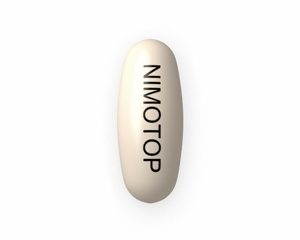
Altace is an angiotensin converting enzyme inhibitor which reduces cardiovascular risk and manages high blood pressure.
Home » Products » Blood Pressure »
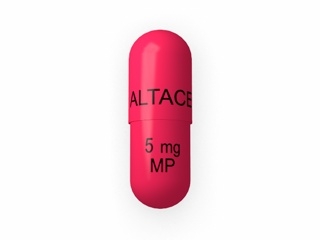
Altace is an angiotensin converting enzyme inhibitor which reduces cardiovascular risk and manages high blood pressure.
Common Use
Altace belongs to a class of medications called ACE inhibitors—short for angiotensin-converting enzyme inhibitors. In simple terms, ACE inhibitors work by blocking the production of a hormone called angiotensin II, which normally causes blood vessels to narrow (constrict) and signals the body to retain salt and water. By suppressing angiotensin II, Altace:
Widens blood vessels (reduces vasoconstriction), making it easier for blood to flow
Reduces the release of aldosterone, a hormone that causes the body to hold onto sodium and water
Decreases total peripheral resistance—the resistance that blood vessels create against blood flow, which is a key factor in high blood pressure
Altace is used to treat several cardiovascular conditions:
Hypertension (high blood pressure) – by lowering blood pressure, it reduces the risk of stroke, heart attack, and kidney problems
Congestive heart failure – it helps the heart pump more efficiently by reducing the workload on the heart
Prophylaxis after myocardial infarction – it is used to help prevent sudden death and improve survival in people who have already had a heart attack
ACE inhibitors like Altace are particularly beneficial for people with congestive heart failure, as they not only lower blood pressure but also improve the heart’s ability to pump blood over the long term.
Dosage and Direction
The usual dose of Altace ranges from 2.5 mg to 20 mg per day, taken either as a single dose or divided into two smaller doses. It is typically taken in the morning with a glass of water. Your doctor will start you on a low dose and gradually increase it based on your response and how well you tolerate the medication.
Lower doses may be needed for:
Patients taking diuretics (water pills)
Patients with renal artery stenosis (narrowing of the arteries that supply the kidneys)
People over 65 years of age
Always take Altace exactly as prescribed—do not change your dose without consulting your doctor.
Precautions
While taking Altace, keep the following in mind:
Alcohol can lower your blood pressure further and may increase some of the side effects of Altace. It’s best to limit or avoid alcohol while on this medication.
Do not use salt substitutes or potassium supplements unless your doctor tells you to. Many salt substitutes contain potassium, and Altace can cause potassium levels to rise to dangerous levels.
In all cases, before taking this medication, make sure you have discussed your full medical history with your doctor.
Contraindications
Altace should not be used in the following situations:
Hypersensitivity (allergy) to ramipril or any other ACE inhibitor
Stenosis of the renal artery (narrowing of the artery to one or both kidneys) – this requires careful evaluation
Condition after kidney transplantation
Aorta constriction (coarctation of the aorta)
Certain non-inflammatory heart diseases of uncertain origin leading to heart enlargement
Pregnancy – ACE inhibitors can cause harm to the developing baby and should not be used during pregnancy
Breastfeeding – it is not known whether ramipril passes into breast milk
Severe kidney disorders or liver failure
Children under 14 years of age (safety and effectiveness have not been established)
For drivers and people whose work requires high concentration and attention, caution is advised, as Altace can cause dizziness or lightheadedness, especially when first starting treatment.
Possible Side Effects
Serious side effects (which require immediate medical attention) may include:
Kidney failure or signs of kidney problems (changes in urination, swelling in the legs or ankles)
Hyperkalemia (increased potassium levels in the blood) – symptoms may include muscle weakness, slow or irregular heartbeat
Hypotension (low blood pressure) – causing dizziness, lightheadedness, or fainting
Collapse or heart arrhythmia (irregular heartbeat)
Altace is generally well tolerated, and side effects are often temporary. Common side effects may include:
Persistent dry cough – this is a well-known side effect of ACE inhibitors and may resolve if the medication is changed
Abdominal pain, constipation, or diarrhoea
Rash
Dizziness, fatigue, or headache
Loss of taste or loss of appetite
Nausea or vomiting
Fainting
Numbness or tingling in the hands or feet (paraesthesia)
If you experience a persistent dry cough or any other side effect that bothers you, speak with your doctor—they may be able to adjust your treatment.
Drug Interactions
Altace can interact with several other medications:
Potassium supplements, salt substitutes containing potassium, and potassium-sparing diuretics (such as spironolactone) can cause excessively high potassium levels when taken with ACE inhibitors. If you need to take these together, your doctor will monitor your potassium levels closely.
Aspirin and other non-steroidal anti-inflammatory drugs (NSAIDs) —such as ibuprofen, naproxen, or celecoxib—may reduce the blood-pressure-lowering effects of ACE inhibitors and may also increase the risk of kidney problems.
Always inform your doctor about all medications you are taking, including over-the-counter products and herbal supplements.
Missed Dose
Never take a double dose of this medication. If you miss a dose and it is almost time for your next dose, simply skip the missed one and continue with your regular schedule. If you remember within a few hours of your usual time, you can take it then, but do not take extra to make up for a missed dose.
Overdose
Symptoms of an Altace overdose may include extreme dizziness or fainting. If you experience these symptoms or suspect an overdose, call your doctor immediately or seek emergency medical attention.
Storage
Store Altace tablets and capsules at room temperature between 15–30°C (59–86°F). Keep them away from moisture, heat, and direct light. Always keep the medication out of reach of children.
Disclaimer
We provide only general information about medications, which does not cover all directions, possible drug interactions, or precautions. Information on this site cannot be used for self-treatment or self-diagnosis. Any specific instructions for a particular patient should be agreed upon with your healthcare adviser or the doctor in charge of your case. We disclaim reliability of this information and any mistakes it may contain. We are not responsible for any direct, indirect, special, or other indirect damage as a result of any use of the information on this site, nor for the consequences of self-treatment.
About Our Service Cydoctors.com is an online pharmacy based right here in Cyprus. We know that managing high blood pressure and heart health requires consistency and reliability—so we’ve made our service straightforward, dependable, and built with your convenience in mind. Because we’re local to the island, we can arrange delivery in the shortest possible time. For our customers in Nicosia, Limassol, and Paphos, we’re pleased to offer overnight delivery, so your Altace can be with you by the next day, helping you keep your blood pressure steady and your heart protected.