Alesse is used to prevent ovulation and pregnancy.
Home » Products » Birth Control »
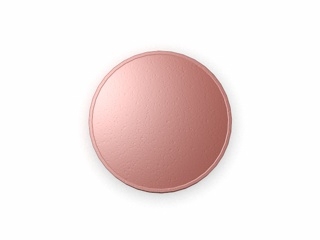
Alesse is used to prevent ovulation and pregnancy.
Common Use
Alesse is a combined oral contraceptive—in plain terms, it’s a birth control pill that helps prevent pregnancy. It works in three main ways to stop pregnancy from happening:
It prevents ovulation – meaning it stops the ovaries from releasing an egg each month
It thickens the cervical mucus – the mucus at the entrance of the womb becomes thicker, making it harder for sperm to swim through to meet an egg
It changes the lining of the uterus (the endometrium) – the lining becomes thinner, making it less likely for a fertilised egg to attach and grow
Alesse is used primarily for contraception (preventing pregnancy). It is a reliable, everyday method of birth control that, when taken correctly, is over 99% effective.
Dosage and Direction
Follow your healthcare provider’s instructions carefully. When you start Alesse for the first time, you will take your first pill either:
On the first day of your menstrual period, or
On the first Sunday after your period started
If you start on a Sunday, you will need to use an additional form of birth control (such as condoms) for the first seven days.
Alesse comes in a 28-day pack. There are 21 “active” pills containing hormones, followed by 7 “reminder” pills (sometimes called placebo pills) that contain no hormones. During the week of reminder pills, you will usually have your period. It’s important to take one pill each day, at about the same time each day, to keep the hormone levels steady.
Once you finish one pack, start a new one the next day—do not skip any days between packs. If you need to have medical tests or surgery, your doctor may advise you to stop taking Alesse for a short period. Always let them know you are on the pill.
Breakthrough bleeding (light bleeding between periods) can happen, especially in the first few months. This is usually normal. However, if the bleeding becomes heavy or continues, let your doctor know.
Precautions
When you start taking Alesse, it’s a good idea to use additional birth control (like condoms or spermicide) for the first seven days to ensure you’re protected.
Hormonal contraceptives like Alesse can slightly increase the risk of blood clots, heart attack, or stroke, especially in:
Women over 35 years of age
Women who smoke (smoking increases this risk significantly)
Before taking Alesse, inform your doctor if you have any of the following:
Heart problems, high blood pressure, angina, or congestive heart failure
High cholesterol
A history of depression
Seizures or epilepsy
Diabetes
Gallbladder disease
Varicose veins
Tuberculosis
Uterine fibroids
A history of fibrocystic breast disease, nodules, or lumps
Contraindications
You should not use Alesse if:
You are pregnant or think you might be pregnant
You have a history of stroke or blood clots
You have circulation problems
You have unexplained vaginal bleeding
You have or have had hormone-related cancer (such as breast or uterine cancer)
You have liver disease or liver cancer
You have migraine headaches with aura (flashing lights, vision changes)
You have a heart valve disorder
You have severe high blood pressure
You have had jaundice (yellowing of the skin or eyes) caused by birth control pills in the past
Possible Side Effects
Serious side effects—which require immediate medical attention—may include:
Sudden numbness or weakness (especially on one side of the body)
Pain behind the eyes, vision problems
Severe headache, confusion, slurred speech, or balance problems
A change in the pattern or severity of migraine headaches
Chest pain or heavy feeling, pain spreading to the arm or shoulder
Swelling of the hands, ankles, or feet
Depression or mood changes
Loss of appetite, nausea, stomach pain
Dark urine, yellowing of the skin or eyes (jaundice)
Less serious side effects may include mild nausea, breast tenderness, changes in menstrual flow, or spotting between periods. These often improve after the first few months as your body adjusts.
Allergic reactions (hives, rash, swelling of the face or lips, difficulty breathing) are rare but require emergency help.
Drug Interactions
Many medications can interact with Alesse and make it less effective at preventing pregnancy. Let your doctor know about all prescription and over-the-counter medications you use, as well as any herbal products or supplements. In particular, mention if you take:
Theophylline (for asthma or breathing conditions)
Acetaminophen (paracetamol) or vitamin C (ascorbic acid) – these can increase estrogen levels
Prednisolone (a steroid)
St. John’s wort (a herbal supplement) – this can reduce the effectiveness of the pill
Seizure medications (such as phenytoin, carbamazepine, or barbiturates)
Cyclosporine (used after organ transplants)
HIV or AIDS medications (such as ritonavir)
Certain antibiotics – some can affect the pill’s effectiveness; ask your doctor if you need extra protection
Missed Dose
If you miss a pill, the risk of becoming pregnant increases. What you do depends on how many pills you missed:
If you miss one active pill: take it as soon as you remember, then take your next pill at the usual time. You may take two pills in one day. No backup contraception is needed.
If you miss two active pills in a row during the first or second week: take two pills on the day you remember, and two pills the next day. Then return to your regular schedule. Use backup contraception (like condoms) for seven days.
If you miss two active pills in a row during the third week: or if you miss three or more pills at any time, finish the active pills in your pack, then start a new pack the next day (skipping the reminder pills). Use backup contraception for seven days. You may not have a period that month.
If you miss two periods in a row while taking the pill correctly, you may be pregnant—take a pregnancy test and see your doctor.
If you miss any reminder pills (the last seven in the pack), simply throw them away and continue on your regular schedule.
Overdose
The most expected symptoms of overdose are nausea, vomiting, and vaginal bleeding. If you suspect an overdose, seek medical advice.
Storage
Store Alesse at room temperature between 20–25°C (68–77°F). Keep it away from moisture, heat, and direct sunlight. Do not store it in the bathroom, and keep it out of reach of children.
Disclaimer
We provide only general information about medications, which does not cover all directions, possible drug interactions, or precautions. Information on this site cannot be used for self-treatment or self-diagnosis. Any specific instructions for a particular patient should be agreed upon with your healthcare adviser or the doctor in charge of your case. We disclaim reliability of this information and any mistakes it may contain. We are not responsible for any direct, indirect, special, or other indirect damage as a result of any use of the information on this site, nor for the consequences of self-treatment.
About Our Service Cydoctors.com is an online pharmacy based right here in Cyprus. We know that when it comes to contraception, having reliable access to your medication matters—so we’ve made our service straightforward, dependable, and built with your convenience in mind. Because we’re local to the island, we can arrange delivery in the shortest possible time. For our customers in Nicosia, Limassol, and Larnaca, we’re pleased to offer overnight delivery, so your Alesse can be with you by the next day, helping you stay on track with your cycle and your peace of mind.