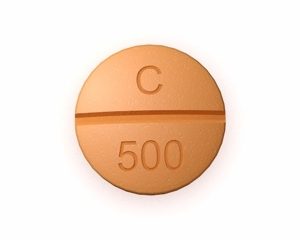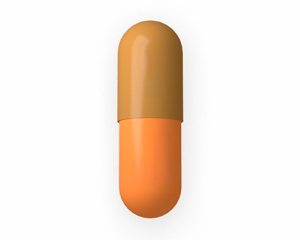
Azufline is a salicylate used to treat ulcerative colitis
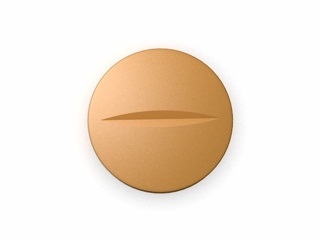
Azulfidine (Sulfasalazine)
Common Use
Azulfidine contains the active ingredient sulfasalazine, which belongs to a class of medications called salicylates—in simple terms, it is an anti-inflammatory drug that works directly on the lining of the gut to reduce inflammation. It is used primarily to treat ulcerative colitis, a chronic inflammatory bowel disease that causes inflammation and ulcers in the lining of the large intestine (colon) and rectum.
Azulfidine is used for:
Treating active ulcerative colitis – helping to reduce symptoms such as abdominal pain, diarrhea, and rectal bleeding
Maintaining remission – helping to increase the time between attacks (flare-ups) of ulcerative colitis and prevent relapses
Rheumatoid arthritis – in some cases, it is used to reduce joint pain, swelling, and stiffness in adults with rheumatoid arthritis
Azulfidine works by reducing inflammation in the body. In the gut, it is broken down by bacteria into two active components: 5-aminosalicylic acid (5-ASA) , which acts directly on the inflamed intestinal lining, and sulfapyridine, which has anti-inflammatory effects throughout the body.
Dosage and Direction
Use Azulfidine exactly as prescribed by your doctor.
Take it with food and a full glass of water to help reduce stomach upset
Drink extra fluids while you are taking Azulfidine to help prevent kidney problems and crystals in the urine
Space your doses so they are at least 8 hours apart
Continue to take the medicine even if you feel well. Do not miss any doses, as this can reduce its effectiveness in preventing flare-ups
Your doctor will usually start you on a low dose and gradually increase it to find the dose that works best for you.
Precautions
Before taking Azulfidine, discuss with your doctor if you:
Are pregnant or breastfeeding
Take any prescribed or non-prescribed medicine, herbal products, or dietary supplements
Have any allergies to food, medicine, or other substances
Have liver or kidney problems
Have asthma or severe allergies
Have blood problems such as anemia (low red blood cells) or low white blood cell levels
Have rheumatoid arthritis
Have glucose-6-phosphate dehydrogenase (G6PD) deficiency – an inherited condition that can cause red blood cells to break down
Have an infection
Contraindications
Azulfidine should not be used in the following situations:
Allergy to sulfasalazine, salicylates (such as aspirin), or sulfonamides (such as sulfamethoxazole)
Blood disorder – porphyria (a rare inherited blood disorder)
Stomach, bowel, or urinary tract blockage
Folate deficiency anemia – a type of anemia caused by low folic acid levels
Children under 2 years of age
Possible Side Effects
Common side effects (may improve as your body adjusts) may include:
Headache
Loss of appetite
Mild stomach upset or pain
Nausea
Vomiting
Orange-yellow discoloration of the skin or urine (this is harmless and not a cause for concern)
Serious side effects (stop taking Azulfidine and seek medical attention immediately) may include:
Severe allergic reactions – rash, hives, itching, difficulty breathing, tightness in the chest, swelling of the mouth, face, lips, or tongue
Bloody diarrhea
Bluish discoloration of the skin or nails (cyanosis)
Chest pain
Dark urine or pale stools
Decreased urination
Fever, chills, or sore throat (signs of infection)
Hearing loss
Mental or mood changes
Muscle pain
Numbness or tingling in the fingers or toes
Pinpoint bruises or unusual bruising/bleeding
Red, swollen, peeling, or blistered skin (severe skin reaction)
Seizures
Severe or persistent dizziness, drowsiness, headache, or trouble sleeping
Shortness of breath
Trouble walking
Unusual tiredness or weakness
Unusually pale skin (signs of anemia)
Yellowing of the eyes or skin (jaundice)
Drug Interactions
Azulfidine can interact with several medications. Tell your doctor about all prescribed and non-prescribed medications you are taking.
Important interactions:
Anticoagulants (blood thinners such as warfarin) – Azulfidine may increase the risk of bleeding
Methotrexate – Azulfidine may increase the risk of side effects
Beta-blockers (such as propranolol) – Azulfidine may decrease their effectiveness
Digoxin – Azulfidine may decrease its effectiveness
Folic acid – Azulfidine may decrease its absorption
Methenamine – may increase the risk of crystals in the urine
Missed Dose
If you miss a dose, take it as soon as you remember—unless it is almost time for your next dose. If that’s the case, skip the missed dose and continue with your regular schedule. Do not take 2 doses at once to make up for a missed one.
Overdose
Symptoms of overdose may include:
Seizures
Severe stomach pain, nausea, or vomiting
Unusual or severe drowsiness
If you suspect an overdose, contact your doctor immediately or seek emergency medical attention.
Storage
Store Azulfidine at room temperature between 15–30°C (59–86°F)
Keep away from heat, moisture, and light
Keep out of reach of children
Disclaimer
We provide only general information about medications, which does not cover all directions, possible drug interactions, or precautions. Information on this site cannot be used for self-treatment or self-diagnosis. Any specific instructions for a particular patient should be agreed upon with your healthcare adviser or the doctor in charge of your case. We disclaim reliability of this information and any mistakes it may contain. We are not responsible for any direct, indirect, special, or other indirect damage as a result of any use of the information on this site, nor for the consequences of self-treatment.
About Our Service Cydoctors.com is an online pharmacy based right here in Cyprus. We understand that managing ulcerative colitis or rheumatoid arthritis requires consistent, reliable access to your medication—so we’ve made our service straightforward, dependable, and built with your convenience in mind. Because we’re local to the island, we can arrange delivery in the shortest possible time. For our customers in Nicosia, Limassol, and Larnaca, we’re pleased to offer overnight delivery, so your Azulfidine can be with you by the next day, helping you keep inflammation under control and stay on top of your treatment.
Dosage500mg
Package30 pill, 60 pill, 90 pill, 120 pill, 180 pill, 270 pill, 360 pill