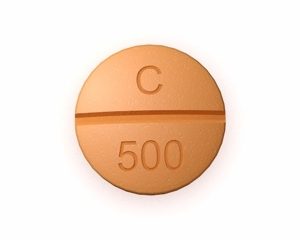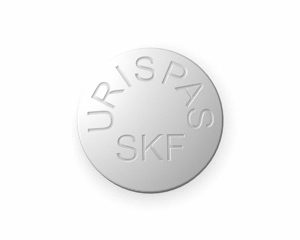
Arava is an antirheumatic drug which slows the progression of joint damage caused by rheumatoid arthritis.

Arava (Leflunomide)
Common Use
Arava contains the active substance leflunomide. It belongs to a class of medications called disease-modifying antirheumatic drugs (DMARDs) —in simple terms, these are medications that work by calming the overactive immune system that causes inflammation and joint damage in certain autoimmune conditions.
Here’s how it works in plain language: Leflunomide is converted in the body into an active metabolite called A771726. This metabolite blocks an enzyme called dihydroorotate dehydrogenase, which is involved in the production of new immune cells. By doing this, it slows down the proliferation (multiplication) of T-lymphocytes—a type of white blood cell that plays a key role in the inflammatory process of rheumatoid arthritis. Since the growth and activation of these cells is one of the crucial steps in the development of rheumatoid arthritis, Arava helps reduce inflammation in the joints and slows the progression of joint damage.
Arava is used to treat:
Rheumatoid arthritis – a chronic autoimmune condition where the immune system attacks the joints, causing pain, swelling, stiffness, and eventually joint damage
Psoriatic arthritis – a form of arthritis that affects some people with psoriasis
It may also be used for other autoimmune conditions as determined by a rheumatologist
Dosage and Direction
Initial dose (loading dose): The recommended starting dose is 100 mg taken once daily for three days. This loading dose helps achieve therapeutic levels in the body quickly.
Maintenance dose: After the loading dose, you will take a maintenance dose of 10 mg to 20 mg once daily, depending on your condition and how well you tolerate the medication.
Swallow the tablets whole with a full glass of water. You can take them with or without food, but taking them at the same time each day helps you remember.
Precautions
Pregnancy warning: Do not use Arava if you are pregnant or planning to become pregnant. This medication can cause serious birth defects. Women of childbearing age must use effective birth control during treatment and also after stopping the medication until drug elimination treatment (a washout procedure with cholestyramine) is completed. Men should also be aware of potential risks and discuss family planning with their doctor.
Before starting Arava, inform your doctor if you have:
Hepatitis or other liver disease in your history
Kidney disease
Blood cell disorders such as anemia (low red blood cells) or low platelets (thrombocytopenia)
Any type of infection (current or recent)
Tuberculosis in your history
Bone marrow disorders
If you are taking any drugs that weaken the immune system (immunosuppressants)
Important:
Arava weakens your immune system, which makes it easier for you to catch infections. If you notice any signs of infection—such as fever, chills, sore throat, or flu-like symptoms—contact your doctor immediately
Avoid sick people and practice good hygiene
Do not receive live vaccines while taking Arava, and avoid close contact with people who have recently received live vaccines (such as measles, mumps, rubella, or nasal flu vaccines)
Drug elimination treatment: When treatment with Arava is finished, a special drug elimination procedure (using cholestyramine) is needed to help clear the medication from your body. Without this procedure, active levels of the drug can remain in your body for up to two years, which is important to know if you plan to become pregnant or if you need to start other medications.
Contraindications
Arava should not be used in the following situations:
Hypersensitivity (allergy) to leflunomide or any of its ingredients
Liver failure or severe liver impairment
Severe immune deficiency (including AIDS)
Disorders of bone marrow hematopoiesis – such as thrombocytopenia, anemia, or leukopenia that are not related to rheumatoid arthritis
Severe infections
Moderate to severe kidney insufficiency
Severe hypoproteinemia (very low protein levels in the blood, including with nephrotic syndrome)
Pregnancy or breastfeeding
Adolescents under 18 years of age (safety and effectiveness have not been established)
Possible Side Effects
Common side effects may include:
Abscess
Hernia
Malaise (general feeling of being unwell)
Cyst
Fever
Pain (neck pain, pelvic pain)
Headache
Diarrhea
Nausea
Cholelithiasis (gallstones)
Colitis (inflammation of the colon)
Constipation
Itching and rash
Weight loss
Loss or thinning of hair (alopecia)
Heart palpitations or tachycardia (fast heartbeat)
Varicose veins
High blood pressure (hypertension)
Chest pain
Abnormal liver function tests
If any of these side effects become bothersome or worsen, notify your doctor.
Serious side effects (less common) may include:
Severe infections (due to immune suppression)
Liver damage (symptoms include yellowing of the skin or eyes, dark urine, severe abdominal pain)
Blood disorders (easy bruising, unusual bleeding, persistent fatigue)
Severe allergic reactions (rash, swelling, difficulty breathing)
Drug Interactions
Arava can interact with several medications:
Cholestyramine – decreases the absorption of Arava and is used specifically for drug elimination after treatment
Rifampin – increases blood levels of Arava and should be used with caution
Immunosuppressants – taking Arava with other drugs that weaken the immune system (such as methotrexate, cyclosporine, azathioprine, or biologic agents like etanercept) increases the risk of infections and bone marrow suppression
NSAIDs (non-steroidal anti-inflammatory drugs) – may increase the risk of liver and kidney effects
Warfarin – Arava may increase the effects of blood thinners
Certain medications such as acetaminophen (Tylenol), auranofin, ACE inhibitors (lisinopril, enalapril), antifungals (ketoconazole, fluconazole), statins (atorvastatin, simvastatin), and HIV medications may interact with Arava
Always inform your doctor about all medications you are taking, including prescription drugs, over-the-counter products, and herbal supplements.
Missed Dose
If you forget to take your dose, take it as soon as you remember—unless it is almost time for your next dose. If that’s the case, skip the missed dose and continue with your regular schedule. Do not take double doses or extra doses to make up for a missed one.
Overdose
If you experience signs of overdose—such as stomach pain, diarrhea, dark urine, easy bruising or bleeding, or jaundice (yellowing of the skin or eyes)—contact your doctor immediately. Overdose can cause serious liver damage and bone marrow suppression.
Storage
Store Arava at room temperature between 20–25°C (68–77°F). Keep it away from moisture, heat, and direct sunlight. Do not store it in the bathroom, and keep it out of reach of children.
Disclaimer
We provide only general information about medications, which does not cover all directions, possible drug interactions, or precautions. Information on this site cannot be used for self-treatment or self-diagnosis. Any specific instructions for a particular patient should be agreed upon with your healthcare adviser or the doctor in charge of your case. We disclaim reliability of this information and any mistakes it may contain. We are not responsible for any direct, indirect, special, or other indirect damage as a result of any use of the information on this site, nor for the consequences of self-treatment.
About Our Service Cydoctors.com is an online pharmacy based right here in Cyprus. We understand that managing rheumatoid arthritis is a long-term journey, and having reliable, consistent access to your medication is essential—so we’ve made our service straightforward, dependable, and built with your convenience in mind. Because we’re local to the island, we can arrange delivery in the shortest possible time. For our customers in Nicosia, Limassol, and Larnaca, we’re pleased to offer overnight delivery, so your Arava can be with you by the next day, helping you stay on track with your treatment and keep those joints moving more comfortably.
Dosage10mg, 20mg
Package10 pill, 30 pill, 60 pill, 90 pill, 120 pill, 180 pill, 240 pill