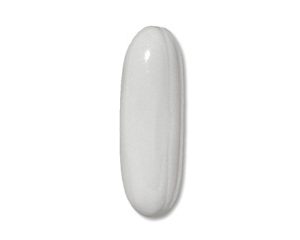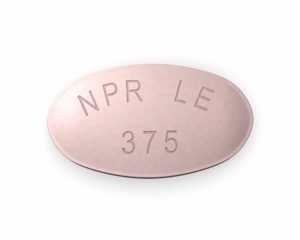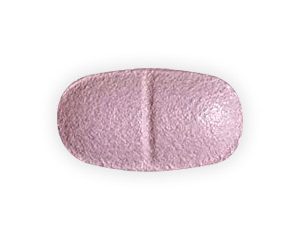
Allopurinol is an arthrifuge which inhibits xanthine oxidase and prevents formation of uric acid, from xanthine and hypoxanthine.
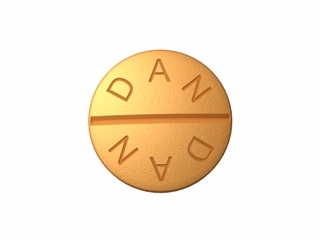
Allopurinol
Common Use
Allopurinol is a medication classified as a xanthine oxidase inhibitor—in simple terms, it works by blocking an enzyme called xanthine oxidase, which is involved in the production of uric acid in the body. Uric acid is a normal waste product, but when levels get too high, it can cause problems. By inhibiting this enzyme, allopurinol reduces the concentration of uric acid and its salts (called urates) in the blood and other body fluids. It also helps dissolve existing urate deposits (which can form in joints and tissues) and prevents new ones from forming in the tissues and kidneys.
Allopurinol is used to treat conditions associated with hyperuricemia (abnormally high levels of uric acid in the blood). These include:
Gout (both primary and secondary) – a form of arthritis caused by uric acid crystals forming in the joints, leading to sudden, severe attacks of pain, redness, and swelling
Nephrolithiasis – the formation of kidney stones made from urates (uric acid stones)
Hyperuricemia that occurs with diseases involving the breakdown of nucleoproteins (such as in various forms of leukemia, lymphoma, and other cancers), where rapid cell turnover releases large amounts of uric acid into the blood
Other conditions where uric acid levels need to be controlled, as determined by a doctor
Dosage and Direction
The dose of allopurinol can range from 100 mg to 800 mg per day, depending on your condition. Your doctor will likely start you on a low dose—typically 100 mg per day—and increase it gradually as needed.
For patients with acute gout and tophi (uric acid crystals that have formed visible lumps, usually around the joints), the usual dose is 300–400 mg daily
If your dose exceeds 300 mg per day, it should be divided into two or more smaller doses taken throughout the day
Take allopurinol with food to help avoid stomach irritation. It’s also important to:
Drink plenty of water throughout the day to help prevent the formation of kidney stones
Avoid large doses of vitamin C, as this can increase uric acid levels
Limit alcohol consumption, especially beer and spirits, which can raise uric acid levels
Limit purine-rich foods such as sweetbreads, sardines, anchovies, kidneys, liver, and lentils—these foods break down into uric acid
Precautions
Allopurinol needs to be taken over a period of several months before you notice a significant reduction in symptoms. Even if you don’t feel an immediate effect, regular, consistent intake is important.
At the beginning of treatment, you may actually experience more frequent acute gout attacks, even after your uric acid levels return to normal. This is normal—as the urate deposits in your joints begin to dissolve, they can temporarily trigger inflammation. These attacks will usually become shorter and less severe as treatment continues.
Important: If you notice any signs of an allergic reaction—such as rash, itching, facial swelling, or eye irritation—stop taking allopurinol immediately and consult your doctor. In some individuals, allopurinol can cause serious skin reactions, irreversible liver damage, or generalized inflammation of blood or lymph vessels. These are rare but can be serious.
Before taking allopurinol, inform your doctor if you have diabetes or kidney dysfunction, as your dose may need to be adjusted.
Contraindications
Allopurinol should not be used in:
Patients with hypersensitivity (allergy) to allopurinol or any of its ingredients
Individuals with severe liver or kidney disorders
Primary hemochromatosis (a condition where the body absorbs too much iron)
Asymptomatic hyperuricemia (high uric acid levels without symptoms)
Acute gout attacks (it is usually started after the acute attack has settled)
Pregnancy and breastfeeding (unless clearly necessary and prescribed by a doctor)
Children under 14 years of age, unless being treated for leukemia, malignant tumors, or certain enzyme disorders
Caution is also needed in patients with renal failure, heart failure, diabetes mellitus, and high blood pressure (hypertension).
Possible Side Effects
The most common side effects include:
Diarrhoea
Nausea
Rash or itching (allergic reaction)
Drowsiness
Stop taking allopurinol and seek medical advice immediately if you experience:
Rash (especially if spreading)
Painful or bloody urination
Eye irritation
Swelling of the face, lips, or mouth
These can be signs of a severe allergic reaction that requires urgent treatment.
In rare cases, allopurinol can cause damage to nerves, kidneys, or bone marrow, as well as serious—and even fatal—liver toxicity. If you experience loss of appetite, itching, or yellowing of the skin or eyes, let your doctor know straight away. The risk of liver toxicity is higher in patients with kidney impairment.
Drug Interactions
Allopurinol can increase the blood levels of certain medications. If you are taking:
Mercaptopurine (Purinethol) or azathioprine (Imuran) – the dose of these medications may need to be reduced significantly when taken with allopurinol
Penicillins – the risk of skin rash may be increased
Always inform your doctor about all medications you are taking, including over-the-counter products and supplements.
Missed Dose
If you forget to take a dose, take it as soon as you remember—unless it is almost time for your next dose. If that’s the case, simply skip the missed one and return to your regular schedule. Do not take a double dose to make up for a missed one.
Overdose
If you suspect an overdose, seek immediate medical attention. Specific information about allopurinol overdose is limited, but symptoms may include nausea, vomiting, diarrhoea, and dizziness.
Storage
Store allopurinol at room temperature, below 25°C (77°F). Keep it out of reach of children and pets.
Disclaimer
We provide only general information about medications, which does not cover all directions, possible drug interactions, or precautions. Information on this site cannot be used for self-treatment or self-diagnosis. Any specific instructions for a particular patient should be agreed upon with your healthcare adviser or the doctor in charge of your case. We disclaim reliability of this information and any mistakes it may contain. We are not responsible for any direct, indirect, special, or other indirect damage as a result of any use of the information on this site, nor for the consequences of self-treatment.
About Our Service Cydoctors.com is an online pharmacy based right here in Cyprus. We know that managing gout and high uric acid levels is a long-term commitment—so we’ve made our service straightforward, reliable, and built with your convenience in mind. Because we’re local to the island, we can arrange delivery in the shortest possible time. For our customers in Nicosia, Limassol, and Larnaca, we’re pleased to offer overnight delivery, so your allopurinol can be with you by the next day, helping you keep those uric acid levels under control and those painful flares at bay.
Dosage300mg
Package30 pill, 60 pill, 90 pill