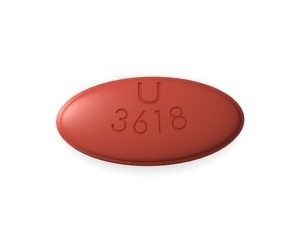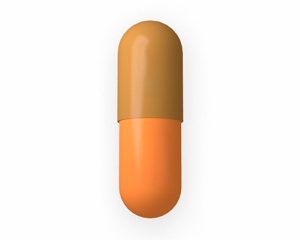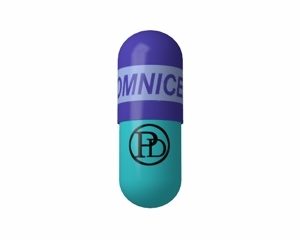
Ampicillin is an antibiotic from aminopenicillin group to fight with infections of stomach and intestines, middle ear, sinuses, bladder, and kidney.
Home » Products » Antibiotics »
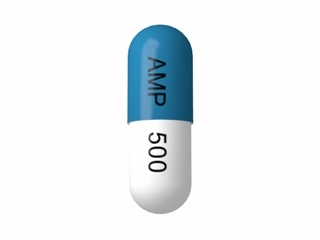
Ampicillin is an antibiotic from aminopenicillin group to fight with infections of stomach and intestines, middle ear, sinuses, bladder, and kidney.
Common Use
Ampicillin is a broad-spectrum antibiotic belonging to the aminopenicillin group—in simple terms, it is a type of penicillin that kills a wide range of bacteria. It works by inhibiting the construction of bacterial cell walls. These cell walls are essential for bacteria to survive; without them, the bacteria cannot maintain their structure, grow, or multiply, and they eventually die.
Ampicillin is not destroyed by stomach acid, which means it is well absorbed when taken by mouth. It is effective against both gram-positive bacteria (which have a thick cell wall) and certain gram-negative bacteria, including:
Salmonella – a common cause of food poisoning and intestinal infections
Shigella – bacteria that cause dysentery (severe diarrhoea with blood)
Proteus – a bacterium that can cause urinary tract infections
E. coli – a common cause of urinary tract infections and some intestinal infections
Klebsiella pneumoniae – a bacterium that can cause pneumonia and other respiratory infections
Haemophilus influenzae – a bacterium responsible for respiratory infections, ear infections, and meningitis (formerly known as Pfeiffer’s bacillus)
Ampicillin is used to treat infections caused by mixed bacteria—where more than one type of bacterium is involved. It is commonly prescribed for:
Pneumonia and other respiratory tract infections
Infections of the urogenital system (urinary tract and reproductive organs)
Gastrointestinal system infections (such as certain types of bacterial gastroenteritis)
Important limitation: Microorganisms that produce an enzyme called penicillinase (which breaks down penicillin) are resistant to ampicillin and will not be killed by this medication.
Dosage and Direction
Take ampicillin exactly as prescribed by your doctor. Do not change the dose or stop early unless your doctor tells you to.
Ampicillin capsules should be taken with a full glass of water, either:
30 minutes before a meal, or
2 hours after a meal
Taking it on an empty stomach helps the medication be absorbed properly.
Precautions
If you are allergic to penicillin or cephalosporin antibiotics, speak with your doctor first before taking this medication
Ampicillin may cause diarrhoea. If you develop diarrhoea, inform your doctor before taking any medication for it—some anti-diarrhoea medicines can make things worse if the diarrhoea is caused by a bacterial overgrowth
Ampicillin may cause a false positive result in certain urine glucose tests (tests for sugar in the urine). If you are diabetic, let your doctor know so they can use an alternative testing method
If you have taken ampicillin for a long time in the past, it may become less effective due to superinfection—an overgrowth of bacteria that are resistant to the antibiotic. If your symptoms do not improve or get worse, inform your doctor
Contraindications
Ampicillin should not be used if you have a known hypersensitivity (allergy) to ampicillin or any other penicillin antibiotic.
Caution is needed in patients with:
Liver failure
Asthma
Hay fever (allergic rhinitis)
Possible Side Effects
Common side effects may include:
Diarrhoea
Nausea and vomiting
Itching
Rash
Fever
Sore tongue or mouth
More serious side effects, such as colitis (inflammation of the colon), may occur in rare cases. If you experience severe or persistent diarrhoea, abdominal pain, or any signs of an allergic reaction (hives, swelling, difficulty breathing), contact your doctor immediately.
Drug Interactions
Ampicillin may enhance the effect of oral anticoagulants (blood-thinning medications that prevent blood clots), increasing the risk of bleeding. If you are taking medications like warfarin, your doctor may need to monitor your blood clotting more closely
Ampicillin may interfere with the effectiveness of certain oral contraceptives (birth control pills). It is recommended to use an additional form of contraception, such as condoms, while taking ampicillin and for a short time after
Missed Dose
Never take a double dose of this medication.
If you take ampicillin twice daily and miss a dose: take it as soon as you remember, then take your next dose 5–6 hours later
If you take ampicillin three times daily and miss a dose: take it as soon as you remember, then take your next dose 2–4 hours later
If it is almost time for your next dose, skip the missed one and continue with your regular schedule.
Overdose
If you think you have taken too much ampicillin and experience symptoms of an allergic reaction—such as hives or rash—contact your doctor immediately. Overdose may also cause nausea, vomiting, and diarrhoea.
Storage
Store ampicillin at room temperature between 15–30°C (59–86°F), away from light and moisture. Keep it out of reach of children.
Disclaimer
We provide only general information about medications, which does not cover all directions, possible drug interactions, or precautions. Information on this site cannot be used for self-treatment or self-diagnosis. Any specific instructions for a particular patient should be agreed upon with your healthcare adviser or the doctor in charge of your case. We disclaim all responsibility for the reliability of this information. We are not responsible for any direct, indirect, special, or other indirect damage as a result of any use of the information on this site, nor for the consequences of self-treatment.
About Our Service Cydoctors.com is an online pharmacy based right here in Cyprus. We know that when you’re dealing with a bacterial infection, getting your antibiotic quickly and without hassle is essential—so we’ve made our service straightforward, dependable, and built with your convenience in mind. Because we’re local to the island, we can arrange delivery in the shortest possible time. For our customers in Nicosia, Limassol, and Larnaca, we’re pleased to offer overnight delivery, so your ampicillin can be with you by the next day, ready to help you fight off that infection and get back to feeling your best.