Common Use
Amoxicillin is a broad-spectrum penicillin antibiotic—in simple terms, it is a widely used medication that kills a wide range of bacteria. It works by inhibiting bacterial cell wall synthesis, which means it stops bacteria from building the protective walls they need to survive, causing them to die.
Amoxicillin is used to treat various bacterial infections, including:
Respiratory tract infections – such as bronchitis, pneumonia, sinusitis, and tonsillitis
Ear infections (otitis media) – common in children
Urinary tract infections (UTIs) – infections of the bladder, kidneys, or urethra
Skin infections – including cellulitis and infected wounds
Helicobacter pylori infections – used in combination therapy to treat stomach ulcers, as H. pylori is a bacterium that can cause peptic ulcers
Amoxicillin is effective only against bacterial infections—it will not work for viral infections such as the common cold or flu.
Dosage and Direction
Amoxicillin is taken orally (by mouth), usually 2 to 3 times a day, with or without food. The dose depends on several factors:
The type and severity of the infection
Your age and weight
Your kidney function
It is very important to complete the full course of treatment, even if you start feeling better after a few days. Stopping early can allow some bacteria to survive, which may lead to the infection returning or becoming resistant to the antibiotic.
Precautions
Before taking amoxicillin, tell your doctor if you have:
A history of allergic reactions to penicillin or other beta-lactam antibiotics (such as cephalosporins)
Kidney impairment – your dose may need to be adjusted
Infectious mononucleosis (glandular fever) – amoxicillin can cause a widespread skin rash in patients with this condition
Prolonged use of amoxicillin may lead to secondary infections, such as oral thrush (a fungal infection in the mouth) or vaginal yeast infections, because the antibiotic can also kill beneficial bacteria that keep yeast in check.
Contraindications
Amoxicillin should not be used in the following situations:
Known allergy to penicillin or cephalosporin antibiotics
Infectious mononucleosis – due to the high risk of developing a severe skin rash
Severe liver dysfunction – may require an alternative treatment
Possible Side Effects
Common side effects may include:
Nausea
Diarrhoea
Skin rash
Headache
Serious reactions (rare) may include:
Anaphylaxis – a severe, life-threatening allergic reaction that causes swelling, difficulty breathing, and a drop in blood pressure
Clostridium difficile-associated diarrhoea – severe diarrhoea caused by an overgrowth of C. diff bacteria in the gut
Elevated liver enzymes – which may indicate liver stress
If you experience signs of an allergic reaction—such as swelling of the face, lips, or throat, difficulty breathing, or a severe rash—seek immediate medical attention.
Drug Interactions
Amoxicillin may interact with several medications:
Oral contraceptives (birth control pills) – amoxicillin may reduce their effectiveness. It is advisable to use an additional form of contraception (such as condoms) while taking the antibiotic and for a few days after
Allopurinol (used for gout) – increases the risk of developing a skin rash
Anticoagulants such as warfarin – amoxicillin can increase the risk of bleeding; your INR may need to be monitored more closely
Always inform your doctor about all medications you are taking, including over-the-counter products and herbal supplements.
Missed Dose
If you miss a dose, take it as soon as you remember—unless it is almost time for your next dose. If that’s the case, skip the missed one and continue with your regular schedule. Do not double the dose to make up for a missed one.
Overdose
Symptoms of an overdose may include:
Nausea, vomiting, and diarrhoea
Crystalluria (crystals forming in the urine)
In severe cases, kidney function may be affected
If you suspect an overdose, seek medical help immediately.
Storage
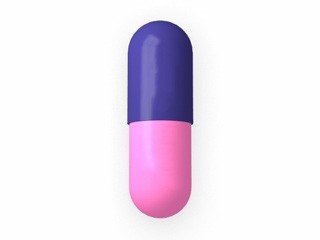
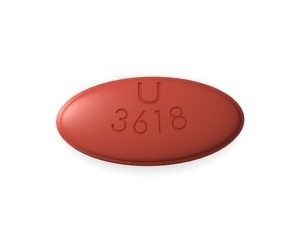
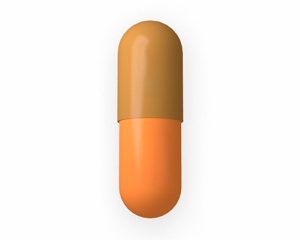
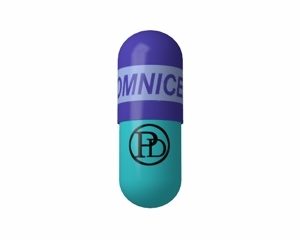
Capsules and tablets: Store at room temperature away from moisture and heat
Liquid suspension: Should be refrigerated (but not frozen) and used within the time period specified on the prescription—usually 7 to 14 days
Keep all medications out of reach of children
Disclaimer
We provide only general information about medications, which does not cover all directions, possible drug interactions, or precautions. Information on this site cannot be used for self-treatment or self-diagnosis. Any specific instructions for a particular patient should be agreed upon with your healthcare adviser or the doctor in charge of your case. We disclaim reliability of this information and any mistakes it may contain. We are not responsible for any direct, indirect, special, or other indirect damage as a result of any use of the information on this site, nor for the consequences of self-treatment.
About Our Service Cydoctors.com is an online pharmacy based right here in Cyprus. We know that when an infection strikes, getting your antibiotic quickly and reliably is important—so we’ve made our service straightforward, dependable, and built with your convenience in mind. Because we’re local to the island, we can arrange delivery in the shortest possible time. For our customers in Nicosia, Limassol, and Larnaca, we’re pleased to offer overnight delivery, so your amoxicillin can be with you by the next day, ready to help you get back on your feet and feeling like yourself again.