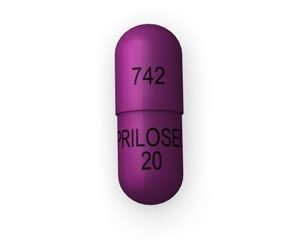
Asacol is bowel-specific aminosalicylate drug to treat inflammation caused by ulcerative colitis, proctosigmoiditis, and proctitis.
Home » Products » Antibacterial »
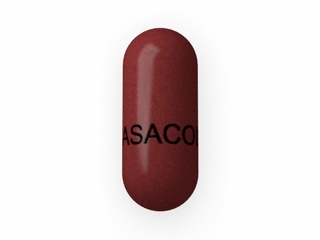
Asacol is bowel-specific aminosalicylate drug to treat inflammation caused by ulcerative colitis, proctosigmoiditis, and proctitis.
Common Use
Asacol contains the active ingredient mesalamine (also known as 5-aminosalicylic acid or 5-ASA), which belongs to a class of medications called aminosalicylates—in simple terms, it is an anti-inflammatory drug that works directly on the lining of the gut (the gastrointestinal tract) to reduce inflammation, tissue damage, and diarrhea.
Asacol is designed to become active in the small intestine, just before the large intestine, and continues to work throughout the colon. The special coating on the tablet releases the active ingredient only when the pH level in the gut reaches a certain point (above pH 7), ensuring that the medication reaches the areas where it is needed most.
Asacol is used to treat:
Ulcerative colitis – a chronic inflammatory bowel disease (IBD) that causes inflammation and ulcers in the lining of the large intestine (colon) and rectum. Symptoms include abdominal pain, diarrhea, bloody stools, and urgent bowel movements
Proctosigmoiditis – inflammation of the rectum and the lower part of the colon (sigmoid colon)
Proctitis – inflammation of the lining of the rectum
Crohn’s disease – another type of inflammatory bowel disease that can affect any part of the digestive tract, including the small bowel (ileum)
Asacol is used both to treat active flare-ups and to maintain remission (prevent symptoms from returning) in patients with these conditions.
Dosage and Direction
Consult with your doctor about the necessary dosage before starting treatment. Do not use in larger quantities than prescribed.
How to take:
Take Asacol orally with a meal or a glass of milk to help reduce stomach upset
Swallow the tablet whole with water. Do not break, crush, or chew the tablets, as this can damage the special coating that allows the medication to reach the right part of the intestine
Recommended doses (for adults):
Condition Dosage Moderately active ulcerative colitis 4.8 g per day, divided into three intakes, for 6 weeks Mild acute exacerbations of ulcerative colitis 2.4 g per day, taken as divided doses Maintenance of remission (ulcerative colitis and Crohn’s ileocolitis) Up to 2.4 g per day, taken as divided doses Special considerations:
Patients with renal impairment (kidney problems) may require dosage adjustment
This medication is not recommended for use in children
Precautions
Asacol is not recommended in patients with renal impairment (kidney problems). Caution should be exercised in patients with raised blood urea or proteinuria (protein in the urine)
Use with caution in adult patients with normal kidney function, as mesalazine can occasionally cause nephrotoxicity (kidney damage). If kidney failure develops during treatment, it may be related to the medication
Pregnancy and breastfeeding: Asacol should not be used during pregnancy, if you are planning to become pregnant, or while breastfeeding without your doctor’s advice. Possible adverse effects to the infant may mean that breastfeeding is not recommended. Consult your doctor if you need to breastfeed your baby
Contraindications
Asacol is contraindicated—meaning you should not take it—in the following situations:
Hypersensitivity (allergy) to mesalamine or any of its ingredients
Sensitivity to salicylates (such as aspirin) or aminosalicylates
Renal sensitivity to sulfasalazine (a related medication)
Severe hepatic impairment (serious liver disease)
Acute or chronic interstitial nephritis (kidney inflammation)
Gastric or duodenal ulcer (peptic ulcers)
Hemorrhagic tendency (bleeding disorders)
Pregnancy and lactation – safety is not fully established
Possible Side Effects
Serious side effects (stop taking Asacol and tell your doctor immediately) may include:
Allergic reactions – rash, hives, itching, swelling of the face or throat, difficulty breathing
Colic – severe abdominal pain
Fever
Exacerbation of colitis – worsening of your colitis symptoms
Jaundice (yellowing of the skin or eyes)
Bloody diarrhea
Severe abdominal pain or cramping
Dyspepsia (severe indigestion)
Less serious side effects may include:
Mild nausea, vomiting, or stomach cramps
Diarrhea or constipation
Hemorrhoids
Gas (flatulence) or stool abnormalities
Fever, sore throat, or other flu-like symptoms
Headache or dizziness
Fatigue
Skin rash
If you experience any of these symptoms while using Asacol, stop taking the medication and tell your doctor as soon as possible.
Drug Interactions
Asacol can interact with several medications. Inform your doctor if you are taking any of the following:
Medications that may affect how Asacol works:
Lactulose and other medications that lower stool pH – they may prevent the release of the active ingredient from the tablet coating
Aspirin and other NSAIDs (such as ibuprofen, naproxen, diclofenac, ketorolac) – may increase the risk of kidney problems and gastrointestinal side effects
Digoxin – Asacol may decrease the absorption of digoxin
Thiopurine medications (azathioprine, mercaptopurine) – Asacol may increase their levels in the blood
Warfarin – if taken together, blood clotting should be monitored by your healthcare provider
Other medications that may affect kidney function (use with caution):
Pentamidine
Tacrolimus
Rifampin
Amphotericin B, capreomycin, vancomycin
Adefovir, acyclovir, cidofovir, foscarnet
Aldesleukin, cisplatin, ifosfamide, oxaliplatin, carmustine, plicamycin, streptozocin, tretinoin
Important: Due to the risk of Reye’s syndrome, Asacol and other salicylates should not be used for six weeks after receiving the chickenpox vaccine.
Note that an interaction between two medications does not always mean you must stop taking one of them. Often, your doctor can manage the interaction by adjusting doses or timing. Consult your doctor about how any interactions should be managed.
Missed Dose
If you forget to take your dose, take it as soon as you remember—unless it is almost time for your next dose. If that’s the case, skip the missed dose and continue with your regular schedule. Do not increase your recommended dose to make up for a missed one. To avoid missing doses, try to take your medication at about the same time each day.
Overdose
Symptoms of Asacol overdose may include:
Confusion
Dehydration
Diarrhea
Dizziness
Drowsiness
Fever
Headache
Rapid, shallow breathing
Ringing in the ears (tinnitus)
Sweating
Vomiting
If you experience any of these symptoms or any unusual symptoms, call your doctor immediately.
Storage
Store Asacol at room temperature between 20–25°C (68–77°F), away from moisture and direct sunlight. Keep it out of reach of children.
Disclaimer
We provide only general information about medications, which does not cover all directions, possible drug interactions, or precautions. Information on this site cannot be used for self-treatment or self-diagnosis. Any specific instructions for a particular patient should be agreed upon with your healthcare adviser or the doctor in charge of your case. We disclaim reliability of this information and any mistakes it may contain. We are not responsible for any direct, indirect, special, or other indirect damage as a result of any use of the information on this site, nor for the consequences of self-treatment.
About Our Service Cydoctors.com is an online pharmacy based right here in Cyprus. We understand that managing inflammatory bowel disease requires consistent, reliable access to your medication to help keep flare-ups under control—so we’ve made our service straightforward, dependable, and built with your convenience in mind. Because we’re local to the island, we can arrange delivery in the shortest possible time. For our customers in Nicosia, Limassol, and Larnaca, we’re pleased to offer overnight delivery, so your Asacol can be with you by the next day, helping you stay on top of your treatment and keep your gut health on track.