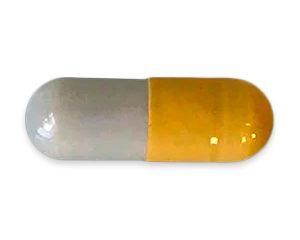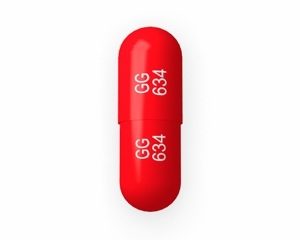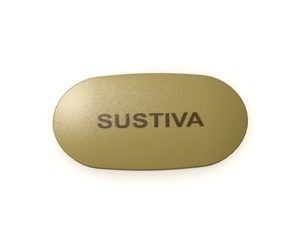
Aciclovir is an antiviral drug. Aciclovir is used to treat viral infections such as cold sores, to stop the growth of Herpes simplex virus, Varicella zoster virus, etc.
Home » Products » Anti Viral »

Aciclovir is an antiviral drug. Aciclovir is used to treat viral infections such as cold sores, to stop the growth of Herpes simplex virus, Varicella zoster virus, etc.
Common use
Aciclovir is an antiviral drug — meaning it fights viruses. It’s a synthetic ingredient that mimics something your body naturally uses to stop viruses from multiplying. Think of it as throwing a spanner in the works so the virus can’t spread.
It’s used to treat:
Cold sores — those annoying blisters that pop up on your lip, especially when you’ve been out in the Cypriot sun or feeling run down
Herpes simplex virus — the virus that causes cold sores and genital herpes
Varicella zoster virus — which causes chickenpox (what we call anemevlogia in Cyprus) in children and shingles (a painful rash) in adults
Epstein-Barr virus — the virus that causes glandular fever (extreme tiredness and swollen glands)
To a lesser extent, Cytomegalovirus (CMV) — another virus that can cause problems in people with weakened immune systems
Aciclovir is also useful in preventing genital herpes outbreaks and in stopping viral infections in people whose immune systems aren’t working well. It can also help reduce how long pain lingers after sores heal. In people with weakened immunity, it helps stop the virus spreading to other parts of the body and causing serious infections.
Dosage and direction
Take this medication by mouth with a glass of water — you can take it with or without food. Usually, you’ll take it 2 to 5 times a day, exactly as your doctor tells you. Spread your doses out evenly throughout the day.
Take all of it as directed, even if you start feeling better — stopping early can let the virus bounce back.
If you’re using the liquid form, shake the bottle well before each dose. Measure carefully using a proper measuring spoon or device — don’t use a household spoon, because you might not get the right amount. Dosage depends on your condition, your response, and in children, their weight.
Precautions
Before taking Aciclovir, talk to your doctor if you have:
Kidney disease or kidney failure
Any allergies — to foods, dyes, preservatives, or medications
Let them know if you’re pregnant, planning to become pregnant, or breastfeeding — the medication passes into breast milk, so it’s worth having a conversation about it.
Tell your doctor about all the medicines you’re taking — prescriptions, over-the-counter, vitamins, and herbal supplements. A full picture helps avoid surprises.
Contraindications
Aciclovir is not for people who have a hypersensitivity (severe allergic reaction) to aciclovir or valaciclovir. If you’ve had a bad reaction in the past, this one’s off the table.
Possible side effects
Some side effects are potentially serious — if any of the following happen, report them to your doctor as soon as possible:
Allergic reactions: skin rash, itching, hives, swelling of the face, lips, or tongue
Chest pain
Confusion, hallucinations, tremor
Dark urine
Increased sensitivity to the sun — in Cyprus, that’s something to pay attention to
Redness, blistering, peeling, or loosening of the skin (including inside the mouth)
Seizures
Trouble passing urine or change in how much you urinate
Unusual bleeding or bruising, or pinpoint red spots on the skin
Feeling unusually weak or tired
Yellowing of the eyes or skin (jaundice)
Side effects that usually don’t need medical attention (but let your doctor know if they persist or bother you):
Diarrhoea
Fever
Headache
Nausea, vomiting, stomach upset
Drug interactions
Aciclovir can interact with other medications:
Phenytoin (Fosphenytoin) — Aciclovir may lower the level of phenytoin in your blood, making it less effective. Your doctor may need to check your phenytoin levels and adjust the dose.
Probenecid — can increase the level of Aciclovir in your blood, raising your risk of side effects. Your doctor may need to lower your Aciclovir dose.
Tenofovir — Aciclovir can increase tenofovir levels, potentially increasing side effects. Your doctor may need to adjust the tenofovir dose.
Always let your doctor know what you’re taking — don’t assume things will be fine on their own.
Missed dose
If you miss a dose, take it as soon as you remember. But if it’s almost time for your next dose, skip the missed one and carry on with your regular schedule. Never take extra to make up for a missed dose — it won’t help and could cause problems.
Overdose
If you think you’ve taken too much, seek emergency medical attention. Overdose symptoms can include seizures, hallucinations, and urinating less than usual — or not at all. Don’t wait around if you’re worried.
Storage
Store at room temperature — between 15°C and 25°C. Keep it out of the reach of children, and never share your medicines with others. Use this medication only for what your doctor prescribed it for.
Online Pharmacy Info
Our online pharmacy, cydoctors.com, is based right here in Cyprus. When a cold sore appears or shingles flares up, the last thing you want is to be chasing after medication. That’s why we deliver in the shortest time possible. We offer overnight delivery to Nicosia, Limassol, and Larnaca — so wherever you are on the island, you can get what you need quickly and without the hassle.
Disclaimer
We provide only general information about medications. This does not cover all directions, possible drug interactions, or precautions. Information on the site cannot be used for self-treatment or self-diagnosis. Any specific instructions for a particular patient should be agreed with your healthcare adviser or the doctor in charge of your case. We do not guarantee the reliability of this information and cannot be held responsible for any errors it may contain. We are not liable for any direct, indirect, or other damage resulting from the use of information on this site, nor for the consequences of self-treatment.