Aceclofenac is a nonsteroidal anti-inflammatory drug (NSAID) used to relieve pain, inflammation, and stiffness associated with conditions like osteoarthritis, rheumatoid arthritis, and ankylosing spondylitis.
Home » Products » Anti-Inflammatory »

Aceclofenac is a nonsteroidal anti-inflammatory drug (NSAID) used to relieve pain, inflammation, and stiffness associated with conditions like osteoarthritis, rheumatoid arthritis, and ankylosing spondylitis.
Common use
Aceclofenac is a medication used to manage pain and inflammation in conditions that affect your bones and joints — what we might call ponos sta kokala (pain in the bones) in Cyprus. It’s prescribed for osteoarthritis (when the cushioning between your joints wears down over time), rheumatoid arthritis (an immune system condition where your joints become swollen and stiff), and ankylosing spondylitis (a type of arthritis that mainly affects your spine — think of it as your back getting stiff and painful).
It works by blocking something called COX enzymes — these are like little switches in your body that make prostaglandins, which are chemicals responsible for sending pain signals and causing swelling. By turning down those switches, Aceclofenac helps calm things down so you can move more comfortably.
Dosage and direction
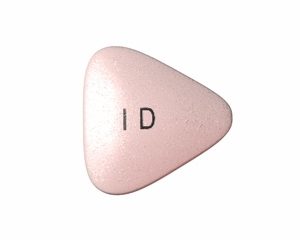
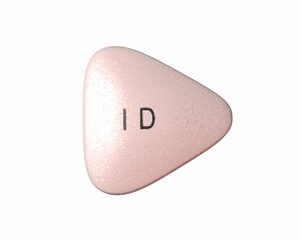
Aceclofenac is taken by mouth, usually 100 mg twice a day — or however your doctor tells you. Take the tablets with water, after a meal, to protect your stomach. In Cyprus, where we love our food, that’s easy enough — a good souvla or makaronia tou fournou makes a nice backdrop for taking your medicine. Follow your doctor’s instructions carefully, and don’t play around with the dose.
Precautions
Before you start, let your doctor know if you’ve ever had:
Stomach bleeding or ulcers
Kidney or liver trouble
Heart problems
Asthma
Avoid using this medication for long stretches without your doctor keeping an eye on things. And keep an eye out yourself for any stomach discomfort or signs of an allergic reaction — if something feels off, speak up.
Contraindications
Do not take Aceclofenac if you’re allergic to it, to aspirin, or to any other NSAIDs (non-steroidal anti-inflammatory drugs — the family of painkillers that work on inflammation). It’s also off the table if you have active stomach bleeding, or severe heart, liver, or kidney disease.
Possible side effects
Common side effects include:
Nausea
Stomach pain
Diarrhoea
Dizziness
Headache
Rarer but more serious side effects can include stomach bleeding, liver or kidney problems, allergic reactions, or heart issues. If you notice anything severe — like black stools (a sign of bleeding), sudden swelling, or chest tightness — get medical help straight away.
Drug interaction
Aceclofenac can clash with a number of other medications. It may interact with:
Blood thinners (anticoagulants)
Other NSAIDs
Corticosteroids
Blood pressure medications
Drugs that affect kidney function
Make sure your doctor knows about everything you’re taking — prescriptions, over-the-counter stuff, and even herbal supplements. A full picture helps avoid nasty surprises.
Missed dose
If you miss a dose, take it as soon as you remember. But if it’s close to the time for your next dose, skip the missed one — don’t double up. Your stomach will thank you.
Overdose
If you’ve taken too much, you might get severe stomach irritation, dizziness, kidney or liver trouble, or bleeding. If you suspect an overdose — whether by accident or not — seek medical help immediately.
Storage
Store Aceclofenac at room temperature, away from heat, moisture, and light. Keep the tablets in the original container, and make sure they’re somewhere children can’t reach. If you have pedia (kids) or engonakia (grandkids) visiting, take extra care.
Online Pharmacy Info
Our online pharmacy, cydoctors.com, is based right here in Cyprus. When your joints are giving you grief, the last thing you want to do is chase after medication. That’s why we deliver in the shortest time possible. We offer overnight delivery to Nicosia, Limassol, and Paphos — so wherever you are on the island, you can get what you need without the hassle.
Disclaimer
We provide only general information about medications. This does not cover all directions, possible drug interactions, or precautions. Information on the site cannot be used for self-treatment or self-diagnosis. Any specific instructions for a particular patient should be agreed with your healthcare adviser or the doctor in charge of your case. We do not guarantee the reliability of this information and cannot be held responsible for any errors it may contain. We are not liable for any direct, indirect, or other damage resulting from the use of information on this site, nor for the consequences of self-treatment.