Aristocort is corticosteroid. It’s used to diminish skin irritation, allergic disorders, ulcerative colitis, arthritis.
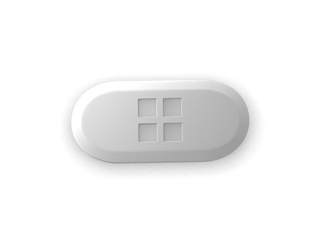
Aristocort (Triamcinolone)
Common Use
Aristocort contains the active ingredient triamcinolone, which belongs to a class of medications called corticosteroids—in simple terms, these are powerful anti-inflammatory drugs that mimic hormones naturally produced by the adrenal glands. Corticosteroids work by reducing inflammation, calming the immune system, and relieving symptoms such as redness, swelling, and itching.
Aristocort is used to treat a wide range of inflammatory and autoimmune conditions, including:
Psoriasis – a skin condition that causes red, scaly patches
Eczema (atopic dermatitis) – an itchy, inflamed skin condition
Lupus (systemic lupus erythematosus) – an autoimmune disease that can affect the skin, joints, kidneys, and other organs
Dermatitis – inflammation of the skin caused by allergies, irritants, or other triggers
Pruritus – itching of the anus or vulva (genital area)
Inflammation of the external part of the ear (otitis externa)
Allergic disorders – such as severe allergies, asthma, and allergic rhinitis
Ulcerative colitis – a chronic inflammatory bowel disease affecting the colon
Arthritis – including rheumatoid arthritis and other forms of inflammatory arthritis
Bursitis and tendonitis – inflammation of the fluid-filled sacs around joints or tendons
Nephrotic syndrome – a kidney disorder that causes the body to excrete too much protein
Aristocort may be given as a tablet, injection, cream, ointment, or inhaler, depending on the condition being treated.
Dosage and Direction
Dosage adjustments are needed in patients with certain conditions. Inform your doctor if you have:
Cirrhosis (liver scarring) or other liver disease
Kidney impairment
Thyroid disorder (overactive or underactive thyroid)
Diabetes – corticosteroids can raise blood sugar levels
A history of malaria
Tuberculosis (TB) – past or present
Osteoporosis (brittle bones)
Myasthenia gravis – a condition causing muscle weakness
Glaucoma or cataracts (eye conditions)
Herpes infection of the eyes (ocular herpes)
Ulceration in the stomach (peptic ulcers)
Diverticulitis – inflammation of pouches in the colon
Depression or other mental illness
Congestive heart failure – corticosteroids can cause fluid retention
High blood pressure (hypertension)
Always take Aristocort exactly as prescribed. Do not change the dose or stop treatment without consulting your doctor.
Precautions
Steroids play a crucial role in many processes in the body, and they can affect many different systems. Before starting Aristocort, inform your doctor about:
Any serious illnesses you have or have had
Fever or signs of infection
Any recent surgery or medical emergency
Weakened immune system: Corticosteroids can weaken your immune system, making you more vulnerable to infections. Avoid being near sick people (especially those with chickenpox, measles, or the flu), and wash your hands regularly.
Vaccinations: Treatment with live vaccines (such as measles, mumps, rubella, or nasal flu vaccine) is not recommended while taking Aristocort.
Do not stop suddenly: Stopping corticosteroid treatment abruptly can cause unpleasant and potentially dangerous withdrawal symptoms, including severe fatigue, weakness, body aches, and low blood pressure. Your doctor will help you taper the dose gradually when it is time to stop.
Contraindications
Aristocort should not be administered in the following situations:
Allergy to triamcinolone or any of the ingredients in the medication
Fungal infection anywhere in the body (such as systemic fungal infections)
Possible Side Effects
Immediate medical attention is needed if while taking Aristocort you experience:
Problems with vision (blurred vision, eye pain, or seeing halos around lights)
Swelling (especially in the face, ankles, or hands)
Rapid weight gain
Feeling short of breath
Severe depression or unusual mood changes
Unusual thoughts or behavior
Seizures (convulsions)
Bloody or tarry stools (signs of gastrointestinal bleeding)
Coughing up blood
Pancreatitis – severe pain in the upper stomach spreading to the back, nausea, vomiting
Signs of low potassium – muscle cramps, weakness, irregular heartbeat
Dangerously high blood pressure – severe headache, blurred vision, pounding in the neck or ears
Other common side effects may include:
Increased appetite and weight gain
Insomnia (trouble sleeping)
Mood swings or irritability
Increased sweating
Thinning skin, easy bruising
Acne
Slowed wound healing
Drug Interactions
Aristocort is known to interact with several medications. Inform your doctor if you are taking:
Aspirin and other NSAIDs (ibuprofen, naproxen) – may increase the risk of stomach ulcers and bleeding
Diuretics (water pills) – may increase the risk of low potassium
Blood thinners such as warfarin (Coumadin) – corticosteroids may affect how they work
Cyclosporine (Gengraf, Neoral, Sandimmune) – used after organ transplants; may increase the risk of side effects
Insulin or oral diabetes medications – corticosteroids can raise blood sugar; your diabetes dose may need adjustment
Ketoconazole (Nizoral) – an antifungal that can increase corticosteroid levels
Rifampin (Rifadin, Rifater, Rimactane) – an antibiotic that can reduce corticosteroid levels
Seizure medications such as phenytoin (Dilantin) or phenobarbital (Luminal, Solfoton) – may reduce the effectiveness of corticosteroids
Always inform your doctor about all medications you are taking, including over-the-counter products and herbal supplements.
Missed Dose
If you forget to take your dose, take it as soon as you remember—unless it is almost time for your next dose. If that’s the case, skip the missed dose and continue with your regular schedule. Do not increase your recommended dose to make up for a missed one.
Overdose
Regular, long-term intake of excessive quantities of this medication may result in:
Roundness of the face (moon face)
Rapid weight gain
Increased facial hair growth (in women)
Easy bruising
Muscle pain or weakness
Menstrual irregularities
If you suspect an overdose, contact your doctor immediately.
Storage
Store Aristocort at room temperature, away from moisture, direct sunlight, and heat. Keep it in a tightly closed container and out of reach of children and pets.
Disclaimer
We provide only general information about medications, which does not cover all directions, possible drug interactions, or precautions. Information on this site cannot be used for self-treatment or self-diagnosis. Any specific instructions for a particular patient should be agreed upon with your healthcare adviser or the doctor in charge of your case. We disclaim reliability of this information and any mistakes it may contain. We are not responsible for any direct, indirect, special, or other indirect damage as a result of any use of the information on this site, nor for the consequences of self-treatment.
About Our Service Cydoctors.com is an online pharmacy based right here in Cyprus. We understand that managing chronic inflammatory conditions often requires long-term, consistent treatment—so we’ve made our service straightforward, dependable, and built with your convenience in mind. Because we’re local to the island, we can arrange delivery in the shortest possible time. For our customers in Nicosia, Limassol, and Paphos, we’re pleased to offer overnight delivery, so your Aristocort can be with you by the next day, helping you keep inflammation under control and get back to feeling more comfortable.
Dosage4mg
Package30 pill, 60 pill, 90 pill, 120 pill, 180 pill, 360 pill