Allegra has antihistamine properties which are used to treat seasonal allergy symptoms such as sneezing, runny nose, itchy throat, or itchy, watery eyes.
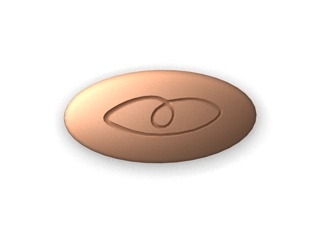
Allegra (Fexofenadine)
Common Use
Allegra is an antihistamine—in simple terms, it works by blocking the effects of histamine, a natural chemical that your body releases when it encounters something you’re allergic to. When histamine is released, it causes symptoms like sneezing, itching, and swelling. By countering this reaction, Allegra helps relieve those uncomfortable symptoms.
Allegra is used to treat two main conditions:
Seasonal allergies (sometimes called hay fever or allergic rhinitis) – symptoms include sneezing, a runny or stuffy nose, an itchy throat, and itchy, watery eyes. These symptoms typically occur during certain times of the year when pollen from trees, grasses, or weeds is in the air.
Chronic idiopathic urticaria – a condition where people develop hives (red, raised, itchy welts on the skin) and itching for no obvious reason, lasting for six weeks or longer. Allegra helps reduce the itching and the number of hives without causing drowsiness for most people.
Dosage and Direction
Take Allegra by mouth with a full glass of water. It is usually taken on an empty stomach—about one hour before a meal or two hours after a meal. The typical dosing schedule is twice a day (morning and evening), but this depends on the strength prescribed.
Important: Do not take Allegra with fruit juices such as grapefruit, orange, or apple juice, as these can significantly reduce how well the medication works.
Recommended doses:
Adults and children over 12 years: 60 mg twice a day, or 180 mg once a day
Children 6–11 years of age: 30 mg twice a day
Note: This information is provided for general guidance. It is very important to consult with your doctor before using any medication to ensure you get the best results for your specific situation.
Precautions
Take Allegra only with water—fruit juices like grapefruit, orange, and apple can reduce the amount of fexofenadine (the active ingredient) that your body absorbs, making the medication less effective.
If you are pregnant, planning to become pregnant, or breastfeeding, have a chat with your doctor before using Allegra to discuss any potential risks. Allegra is not recommended for children under 6 years of age unless specifically advised by a doctor.
Contraindications
Allegra should not be used if you have a known hypersensitivity (allergy) to fexofenadine or any of the other ingredients in the medication. In rare cases, severe allergic reactions have been reported, including:
Angioedema (swelling of the deeper layers of the skin, often around the eyes and lips)
Chest tightness
Difficulty breathing (dyspnoea)
Flushing (redness of the skin)
Systemic anaphylaxis (a severe, whole-body allergic reaction)
If you have experienced any of these reactions to Allegra or similar antihistamines in the past, do not use this medication without speaking to your doctor first.
Possible Side Effects
Serious side effects (which require immediate medical attention) may include signs of an allergic reaction:
Hives
Difficulty breathing
Swelling of the face, lips, tongue, or throat
Common side effects may include:
Earache
Fever
Severe or persistent coughing or vomiting
Less serious side effects are generally mild and may include:
Dizziness
Headache
Stomach upset
If you experience any of these side effects, especially if they are severe or unusual, stop using Allegra and let your doctor know as soon as possible.
Drug Interactions
Allegra may interact with other medications. It is particularly important to note that antacids containing aluminium or magnesium (such as Maalox or Mylanta) can reduce the absorption of Allegra if taken too close together. If you take antacids, it is best to take them at a different time of day—at least a few hours apart from your Allegra dose.
Not all interactions mean you must stop taking one of your medications. Often, your doctor can manage the interaction by adjusting the timing of your doses. Always discuss any concerns with your doctor or pharmacist.
Missed Dose
If you forget to take your dose, take it as soon as you remember. However, if it is almost time for your next dose, simply skip the missed one and continue with your regular schedule. Do not take double or extra doses to make up for a missed one. Just take your usual dose at the next scheduled time.
Overdose
Symptoms of an Allegra overdose may include:
Dry mouth
Dizziness
Drowsiness
If you experience any of these symptoms after taking too much medication, call your doctor immediately or seek emergency medical attention.
Storage
Store Allegra at room temperature between 20–25°C (68–77°F). Keep it away from heat, moisture, and direct light. Do not store it in the bathroom, where humidity can affect the medication. Always keep it out of reach of children.
Disclaimer
We provide only general information about medications, which does not cover all directions, possible drug interactions, or precautions. Information on this site cannot be used for self-treatment or self-diagnosis. Any specific instructions for a particular patient should be agreed upon with your healthcare adviser or the doctor in charge of your case. We disclaim reliability of this information and any mistakes it may contain. We are not responsible for any direct, indirect, special, or other indirect damage as a result of any use of the information on this site, nor for the consequences of self-treatment.
About Our Service Cydoctors.com is an online pharmacy based right here in Cyprus. We know that when seasonal allergies or hitters flare up, you want relief fast—so we’ve made our service straightforward, reliable, and built with your convenience in mind. Because we’re local to the island, we can arrange delivery in the shortest possible time. For our customers in Nicosia, Limassol, and Paphos, we’re pleased to offer overnight delivery, so your Allegra can be with you by the next day, ready to help you breathe easier and get on with your day.
Dosage120mg, 180mg
Package10 pill, 30 pill, 60 pill, 90 pill, 120 pill, 180 pill, 240 pill