Antabuse is prescribed to heal chronic alcoholism. It works by interfering metabolism of alcohol.
Home » Products » Alcoholism »
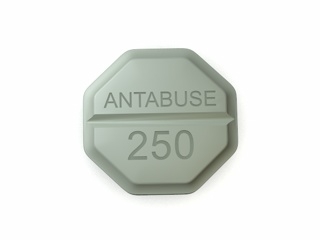
Antabuse is prescribed to heal chronic alcoholism. It works by interfering metabolism of alcohol.
Common Use
Antabuse contains the active ingredient disulfiram, and it is used to support the treatment of chronic alcoholism—in simple terms, it helps people who are trying to stop drinking by making alcohol consumption extremely unpleasant.
Here’s how it works in plain language: Normally, when you drink alcohol, your body breaks it down in two steps. First, an enzyme called alcohol dehydrogenase (ADH) converts alcohol into a substance called acetaldehyde. Then another enzyme quickly breaks that down further. Antabuse blocks the second enzyme, so acetaldehyde builds up in the body. This causes a range of very uncomfortable physical reactions, including:
Flushing (redness and warmth in the face)
Nausea and vomiting
Rapid heartbeat (tachycardia)
Lowering of blood pressure
Throbbing headache
Sweating
Difficulty breathing
When someone is taking Antabuse, drinking even a small amount of alcohol—whether in a drink, a medication, or even some personal care products—triggers these unpleasant effects. The idea is that the experience becomes so uncomfortable that it helps the person stay motivated to avoid alcohol altogether. Antabuse is most effective when used as part of a comprehensive treatment program that includes counselling and support.
Dosage and Direction
Take Antabuse orally (by mouth) with a full glass of water. It is important to wait at least 12 hours after your last drink of alcohol before taking your first dose.
While taking Antabuse, you must avoid alcohol in any form, including:
Beer, wine, spirits, and any other alcoholic beverages
Aftershave lotions, colognes, and perfumes
Liquid medications that may contain alcohol
Mouthwash (many contain alcohol)
Cooking wines, vinegars, or sauces that contain alcohol
Over-the-counter cold remedies or syrups
Always read labels carefully, and if you are unsure whether a product contains alcohol, ask your pharmacist or doctor.
Precautions
Before starting Antabuse, inform your doctor if you have:
Heart problems (such as heart disease, high blood pressure, or a history of heart attack)
Stomach ulcers (peptic ulcers) or duodenal ulcers
Disorders of cerebral circulation (such as a history of stroke or transient ischemic attacks)
A history of disulfiram psychosis (a rare psychological reaction to disulfiram)
Caution is also advised when using Antabuse in patients over 60 years of age, as older adults may be more sensitive to the effects of the medication.
Contraindications
Antabuse should not be used in the following situations:
Severe diseases of the cardiovascular system (heart and blood vessels)
Neuritis of the auditory nerve (inflammation of the nerve that affects hearing)
Glaucoma (increased pressure in the eye)
Optic neuritis (inflammation of the optic nerve)
Bronchial asthma, emphysema, or pulmonary tuberculosis
Severe liver impairment
Diabetes (diabetes mellitus)
Hyperthyroidism (overactive thyroid)
Mental illness (severe psychiatric disorders)
Acute peptic ulcer
Kidney diseases
Malignant tumors (cancer)
Polyneuritis (inflammation of multiple nerves)
Pregnancy and breastfeeding
Allergic reaction to disulfiram or any of its ingredients
Possible Side Effects
Common side effects may include:
Restlessness
Headache
Drowsiness
Skin rash or acne
Changes in vision
A garlic-like aftertaste in the mouth
More serious adverse reactions (less common but require medical attention) may include:
Tingling or numbness in the hands or feet
Fatigue or weakness
Strong stomach pains
Loss of appetite, nausea, or vomiting
Dark urine
Yellowing of the eyes or skin (jaundice)—this can be a sign of liver damage
If you experience any serious side effects, or if side effects become bothersome or worsen, notify your doctor and seek immediate medical attention.
Drug Interactions
Antabuse can interact with many medications. Inform your healthcare adviser about all medications and herbal products you are taking, especially:
Tricyclic antidepressants – such as imipramine (Tofranil), amitriptyline (Elavil), doxepin (Sinequan), nortriptyline (Pamelor)
Isoniazid (Nydrazid) – used for tuberculosis
Phenytoin (Dilantin) – used for seizures
Warfarin (Coumadin) – a blood thinner
Metronidazole (Flagyl) – an antibiotic
Theophylline (Theo-Dur) – used for asthma
MAO inhibitors – such as phenelzine (Nardil), isocarboxazid (Marplan), tranylcypromine (Parnate)
Benzodiazepines – such as diazepam (Valium), alprazolam (Xanax), clorazepate (Tranxene), temazepam (Restoril), chlordiazepoxide (Librium), triazolam (Halcion)
Lithium (Lithobid, Eskalith) – used for bipolar disorder
These interactions can increase the risk of side effects or affect how your medications work.
Missed Dose
Never take a double dose of this medication. If you miss a dose and it is almost time for your next dose, simply skip the missed portion and continue with your regular schedule. Do not take extra to make up for a missed dose.
Overdose
Immediate medical care is needed in case of Antabuse overdose. Symptoms of overdose may include:
Loss of coordination
Nausea and vomiting
Dizziness
Numbness and tingling
Seizures
If you suspect an overdose, seek emergency medical attention right away.
Storage
Store Antabuse at room temperature between 15–30°C (59–86°F), away from moisture and direct sunlight. Do not store it in the bathroom, where humidity can affect the medication. Keep it out of reach of children.
Disclaimer
We provide only general information about medications, which does not cover all directions, possible drug interactions, or precautions. Information on this site cannot be used for self-treatment or self-diagnosis. Any specific instructions for a particular patient should be agreed upon with your healthcare adviser or the doctor in charge of your case. We disclaim reliability of this information and any mistakes it may contain. We are not responsible for any direct, indirect, special, or other indirect damage as a result of any use of the information on this site, nor for the consequences of self-treatment.
About Our Service Cydoctors.com is an online pharmacy based right here in Cyprus. We understand that the journey to overcoming alcohol dependence takes commitment, and having consistent, reliable access to your medication is an important part of that process—so we’ve made our service straightforward, dependable, and built with your privacy and convenience in mind. Because we’re local to the island, we can arrange delivery in the shortest possible time. For our customers in Nicosia, Limassol, and Larnaca, we’re pleased to offer overnight delivery, so your Antabuse can be with you by the next day, supporting your commitment to a healthier path.